
Flail mowers are widely used in agriculture, landscaping, forestry, and roadside maintenance because of their ability to efficiently cut and mulch a wide range of vegetation. Unlike conventional rotary mowers, flail mowers use a rotating drum fitted with multiple cutting attachments known as flail mower teeth. These teeth swing freely as the rotor spins, striking and shredding vegetation into smaller pieces.
The performance of a flail mower largely depends on the type of teeth installed. Among the various designs available, hammer blades and Y-blades are the two most common options. While both serve the same basic purpose, they are designed for different operating conditions and vegetation types. Choosing the right flail mower teeth can improve cutting quality, increase productivity, reduce fuel consumption, and extend equipment life.
This article compares hammer blades and Y-blades in detail, examining their features, advantages, applications, and key differences to help operators select the best option for their specific needs.
What Are Flail Mower Teeth?
Flail mower teeth are the cutting components attached to the rotor of a flail mower. As the rotor spins at high speed, the teeth swing outward due to centrifugal force and strike vegetation repeatedly. This impact-based cutting action allows the mower to process grass, weeds, brush, and even small woody material.
Unlike fixed mower blades, flail mower teeth are individually mounted and can move independently. This design helps absorb impacts from rocks, stumps, and uneven terrain, reducing the risk of serious damage to the machine.
The choice of flail mower teeth directly affects several aspects of mower performance, including:
- Cutting efficiency
- Mulching capability
- Fuel consumption
- Durability
- Maintenance requirements
- Overall operating costs
Different mowing applications require different tooth designs. For example, maintaining a pasture with mostly grass requires a different cutting action than clearing overgrown land filled with brush and saplings. This is where understanding the differences between hammer blades and Y-blades becomes important.
What Are the Different Types of Flail Mower Teeth?
Flail mower teeth come in different designs for different mowing conditions. Hammer blades and Y-blades are two common options, but they handle vegetation differently. Hammer blades are generally used for heavier growth that needs to be cut and mulched, while Y-blades are better suited to grass and lighter vegetation where a cleaner finish matters. The right choice depends on what you’re cutting and how you want the area to look afterward.
What Are Hammer Blades?
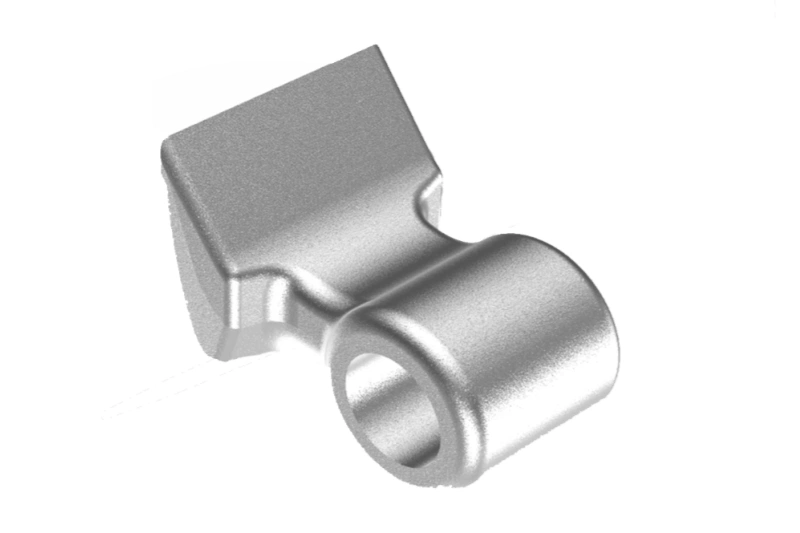
Hammer blades are heavy-duty cutting attachments used on flail mowers. They have a thick, compact shape with a broad cutting head, resembling a small hammer. Compared with slimmer Y-blades, their heavier construction is designed for more demanding vegetation management tasks. Depending on the blade design, they are commonly made from hardened steel to withstand repeated cutting impacts and wear.
As the rotor spins, hammer blades strike vegetation with repeated impacts, cutting and breaking it into smaller pieces. Their sturdy design makes them well suited to dense grass, thick weeds, and brush, including some small woody growth within the mower’s operating limits. This impact-based action also helps break down cut material, making hammer blades a practical choice when vegetation needs to be both cut and mulched rather than simply trimmed.
Hammer blades are commonly used for vegetation management tasks that involve dense growth or heavier cutting. Typical applications include:
- Overgrown field clearing: Cutting back tall grass, dense weeds, and unwanted vegetation on neglected land.
- Brush control: Managing dense brush and some small woody growth, depending on blade design and mower capacity.
- Roadside maintenance: Cutting back vegetation along roadsides, field edges, and similar areas.
- Orchard and vineyard maintenance: Managing grass, weeds, and light brush between rows where the mower and blade configuration are suitable.
- General land clearing: Tackling overgrown areas that require both cutting and breaking down vegetation.
Hammer blades are not always the best choice for routine mowing where a neat, even finish is the main priority. Their heavier design is generally better suited to cutting and breaking down tougher vegetation than maintaining closely mown grass. They may also require more power, depending on the mower and cutting conditions. If you mainly mow grass or pasture and want a cleaner finish, Y-blades may be worth considering. The best option ultimately depends on the vegetation, mower specifications, and finish you need.
What Are Y-Blades?
Y-blades are lightweight flail mower teeth characterized by their distinctive Y-shaped design. Compared with the thicker, more solid construction of hammer blades, their slimmer profile gives them a different cutting structure.
Y-blades cut vegetation with a slicing action, producing a relatively even cut when mowing grass and light weeds. Rather than breaking down vegetation through repeated impact, they are better suited to trimming growth that does not require heavy shredding.
Y-blades are commonly used for routine mowing and vegetation maintenance in areas where grass and light weeds need regular cutting. Typical applications include:
- Routine Grass Mowing: Cutting grass in regularly maintained areas to keep growth under control.
- Pasture Maintenance: Mowing grass and light weeds across pastureland to maintain manageable vegetation.
- Park and Recreational Area Maintenance: Trimming grass in parks, open spaces, and recreational areas where a relatively even finish is preferred.
- Light Weed Control: Cutting back young weeds and light vegetation before they become dense or overgrown.
Y-blades are less suited to dense brush, thick woody growth, or vegetation that requires heavy shredding. Their cutting design is better suited to routine mowing than demanding land-clearing work. For tougher vegetation, hammer blades are generally a better option, provided the mower is designed to handle the material and working conditions.
Hammer Blades vs. Y-Blades: Key Differences
Hammer blades and Y-blades differ in how they cut vegetation and handle mowing tasks. Hammer blades are generally better suited to dense growth and heavier shredding, while Y-blades are often preferred for routine grass cutting and a more even finish. The right choice also depends on your mower’s specifications, the working conditions, and the level of mulching required.
1. Cutting Performance
Hammer blades and Y-blades differ in how they cut vegetation. Hammer blades use a heavier cutting head to strike and break down dense weeds, coarse stems, and light brush. This makes them a suitable choice for overgrown areas where vegetation is too thick for routine mowing. However, the mower must have enough power to handle the workload.
Y-blades are better suited to grass, light weeds, and regular pasture maintenance. Their cutting action is more suited to trimming vegetation than breaking down tougher stems. When dealing with dense brush or woody growth, they may leave more material standing or require additional passes, depending on the mower setup and working conditions.
For routine grass cutting, Y-blades are often a practical option. For heavier vegetation that needs more aggressive cutting, hammer blades are generally worth considering, provided the mower manufacturer recommends them for that application.
2. Mulching Capability
Hammer blades are generally better suited to jobs that require more aggressive shredding of heavy vegetation. Their heavier cutting heads strike and break down plant material, making them useful when clearing dense weeds, coarse stems, and light brush. This can help reduce bulky vegetation left on the ground, although the final mulch size depends on the blade design, rotor speed, cutting height, and the amount of material being processed.
Y-blades are primarily suited to cutting grass and lighter vegetation rather than intensive shredding. They can leave a suitable finish for routine mowing, but tougher stems and bulky plant material may remain in longer pieces. If the goal is to reduce heavy vegetation into smaller fragments, hammer blades are generally the more suitable option. For grass maintenance where aggressive mulching is not required, Y-blades may be sufficient.
The difference is not simply a matter of which blade produces finer mulch in every situation. Vegetation type, its density, and mower settings all affect the result. Without a controlled comparison measuring residue size under the same conditions, it is not possible to quantify how much finer one blade type mulches than the other.
3. Durability and Wear Resistance
Blade wear depends on the vegetation being cut, the amount of abrasive material in the working area, and the blade’s material and heat treatment. Hammer blades are commonly used for heavier vegetation, where repeated impacts against thick stems and woody material place greater demands on the cutting edge. Their suitability for this work depends on the blade’s design and construction, not simply its weight.
Y-blades are well suited to routine grass cutting and lighter vegetation. When used continuously on coarse stems or in conditions with abrasive soil and debris, their cutting edges may wear more quickly than when used for their intended mowing tasks. However, neither blade type has a guaranteed service-life advantage across all conditions.
To compare durability accurately, look at measurable factors such as blade material and hardness, cutting-edge wear after a defined number of operating hours, and the frequency of replacement under similar working conditions. Soil contact, stones, operating speed, and maintenance practices should also be considered when assessing wear.
4. Power Requirements and Fuel Efficiency
Hammer blades are heavier than many Y-blade designs, so the total weight of the blade assembly can affect rotor load and the power needed to bring it up to operating speed. When cutting dense weeds, coarse stems, or brush, the mower also needs sufficient power to handle the additional cutting load. The tractor’s required horsepower therefore depends on both the blade configuration and the vegetation being processed.
Y-blades are often lighter, which may reduce the weight carried by the rotor. However, a lighter blade does not automatically mean lower fuel consumption. Fuel use also depends on vegetation density, working speed, cutting height, rotor design, and how much material the mower processes per pass.
When comparing the two blade types, check the mower manufacturer’s horsepower recommendations and assess fuel consumption over the same area under similar working conditions. Measuring fuel used per acre or hectare provides a more useful comparison than judging efficiency by blade weight alone. Without a controlled test, it is not possible to conclude that either blade type will consistently use less fuel.
5. Finish Quality
Y-blades are often a suitable choice when the goal is an even finish across grass and other light vegetation. They work well for routine mowing in parks, maintained grounds, and pastures where a consistent cut is more important than breaking down heavy plant material.
Hammer blades are generally better suited to clearing dense growth and processing tougher vegetation. In these conditions, the main priority is reducing overgrown material rather than achieving a finely groomed appearance. The final result depends on vegetation density, cutting height, mower speed, and blade condition, so neither blade type guarantees a better finish in every situation.
6. Maintenance and Operating Costs
The total cost of using hammer blades or Y-blades depends on more than the purchase price. Blade replacement frequency, the time required for maintenance, and the cost of downtime all affect long-term operating expenses.
For either blade type, choosing a design suited to the vegetation being cut can help avoid unnecessary wear and premature replacement. Using Y-blades for routine grass mowing or hammer blades for heavier vegetation may be appropriate, depending on the mower manufacturer’s recommendations. Using either type outside its intended application can increase maintenance needs.
To compare costs, consider the price of a complete replacement set, the number of blades required, and how often they need to be replaced under similar working conditions. If operating records are available, calculate the cost per operating hour or per hectare mowed. These figures provide a more useful comparison than assuming one blade type is always cheaper or lasts longer.
Hammer Blades vs. Y-Blades: A Quick Comparison
Hammer blades and Y-blades differ in how they handle vegetation, manage cut residues, and perform under different mowing conditions. The comparison below summarizes the practical differences to consider when selecting flail mower teeth.
| Comparison Factor | Hammer Blades | Y-Blades |
| Vegetation Type | Better suited to dense weeds, coarse stems, and light brush | Better suited to grass and light weeds |
| Performance in Heavy Growth | More suitable for breaking down tougher vegetation | May leave more coarse or uncut material when vegetation exceeds the blade’s intended use |
| Residue After Mowing | Suited to jobs requiring more aggressive breakdown of bulky vegetation | More suitable for routine mowing where intensive shredding is not the main objective |
| Desired Finish | Prioritizes vegetation reduction in overgrown areas | Often preferred for a more even finish on grass |
| Power and Machine Compatibility | Confirm that the mower has sufficient power for the selected blade setup and workload | Check the mower’s approved blade configuration and power requirements; a lighter blade alone does not guarantee lower fuel use |
| Wear Factors | Blade wear depends on material, heat treatment, vegetation, and contact with soil or stones | The same factors apply; neither type can be assumed to last longer in every condition |
| Maintenance and Cost | Compare purchase price, replacement frequency, and downtime for the intended workload | Compare the same costs under equivalent working conditions |
| Best Fit | Overgrown fields, coarse vegetation, and light brush where the mower is rated for the task | Grass maintenance, pastures, and routine mowing where an even cut is the priority |
Quick selection tip: Choose based on the vegetation you need to cut and the finish you want. For tougher growth, start by checking whether hammer blades are recommended for your mower. For routine grass mowing, check whether Y-blades meet your cutting requirements. Compare actual fuel use, wear, and replacement costs only when reliable data is available.
How to Choose the Right Flail Mower Teeth
The right flail mower teeth should match the vegetation you need to cut, your mower’s specifications, and the conditions in which you work. Before choosing between hammer blades and Y-blades, consider the following factors.
Consider the Type of Vegetation
Start with the vegetation you need to manage. For routine grass cutting and light weeds, Y-blades are often a suitable option. For dense weeds, coarse stems, and light brush, hammer blades may be a better fit because they are designed for more aggressive vegetation processing.
If the area contains a mixture of grass and woody growth, consider which type of vegetation dominates and how much shredding the job requires. Also check the mower manufacturer’s recommendations before using either blade type outside its intended application.
Check Equipment Compatibility
Do not choose blades based on tractor horsepower alone. Check the flail mower manufacturer’s approved blade types, recommended power range, rotor configuration, and any restrictions on the intended application. Blade weight, blade quantity, and rotor design can all affect how the machine operates.
If you are considering switching from one blade type to another, confirm that the alternative is compatible with your specific mower model. A blade that physically fits may not be suitable for the rotor or the intended operating conditions.
Assess the Working Conditions
Consider the ground surface, the amount of soil or stone contact, and how frequently the mower will encounter tough vegetation. These conditions can affect blade wear, maintenance needs, and the risk of damage.
For regularly maintained grass areas, prioritize the required cut quality and efficient routine operation. For overgrown fields or areas with tougher stems, check whether hammer blades are approved for the workload. If the site contains rocks or other hard debris, follow the manufacturer’s operating guidance rather than assuming either blade type is resistant to impact damage.
When comparing long-term costs, use actual replacement prices and maintenance records where available. This gives you a more reliable basis for choosing than assuming one blade type will always last longer or consume less fuel.
Conclusion
Neither hammer blades nor Y-blades are the right choice for every job. The key is to match the blade type to the vegetation you handle most often and the results you expect from each mowing pass. Before switching blade types, make sure the configuration is approved for your flail mower and suited to your working conditions.
If you need replacement blades, explore JYF Machinery’s flail mower hammer blades options to find a suitable match for your equipment and application.
FAQs
Which flail mower teeth are best for brush cutting?
Hammer blades are generally the best choice for brush cutting because their heavier design generates greater impact force, allowing them to handle dense weeds, thick vegetation, shrubs, and small woody material more effectively. They also provide superior mulching performance, making them ideal for land clearing and heavy-duty vegetation management applications.
Can I switch from Y-blades to hammer blades on my mower?
In many cases, flail mowers can be fitted with either Y-blades or hammer blades, but compatibility depends on the mower’s rotor design, mounting system, and power requirements. Before making a switch, it is important to consult the manufacturer’s specifications to ensure safe operation and optimal performance.
Are Y-blades suitable for thick vegetation?
Y-blades are primarily designed for grass, weeds, and other light vegetation. While they can handle moderately dense growth, they are generally less effective than hammer blades when cutting thick brush or woody material. For demanding vegetation management tasks, hammer blades are usually the more efficient and durable option.