Weld On Carbide Teeth
Top Categories

over 20 years’ experience and professional knowledge, technologically changes our technique, we are dedicated to provides the best Cutting and wear resistance solutions to our valued customers.
-
+86 136 0577 9141
Mon-Fri, 9am until 6pm
-
sales@jyfmachiery.com
We reply within 24 hours
-
Wencheng Economic Development Zone
Wenzhou, China.

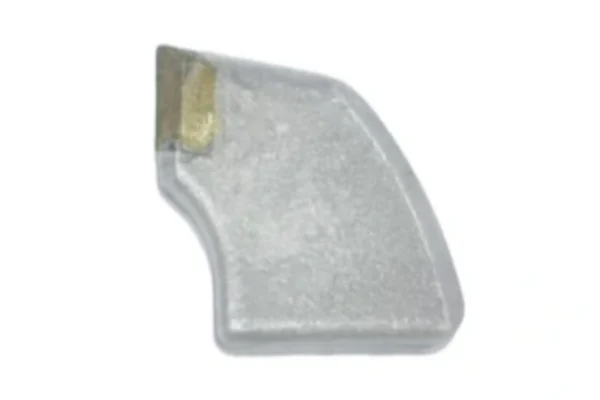

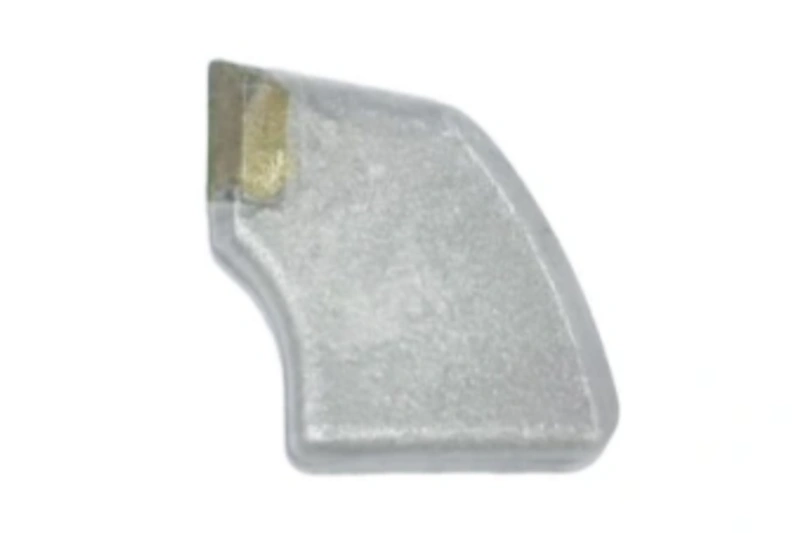

What Are Weld On Carbide Teeth?
Weld On Carbide Teeth Applications & Drilling Conditions
Applications
- Foundation Drilling Rigs
- Auger Drilling Systems
- Core Barrel Tools
- Casing Drilling Equipment
- Excavation Buckets
Drilling Conditions
- Hard Rock Drilling
- Mixed Soil Layers
- High Abrasion Environments
- Impact-Heavy Excavation
- Deep Foundation Projects
Weld On Carbide Teeth Types

Conical Teeth
Designed for aggressive penetration in hard rock and compact soil conditions. The pointed geometry improves cutting efficiency and reduces resistance during drilling.

Flat Teeth
Suitable for general excavation and trenching applications. Provides stable cutting performance in mixed soil conditions with balanced wear resistance.

Chisel Teeth
Engineered for controlled material breaking in compacted ground. The wider cutting edge improves material fracture efficiency in layered soil structures.

Shark Teeth
Designed for high-impact and abrasive environments. The aggressive profile enhances cutting force for rock drilling and heavy-duty excavation tasks.
Compatible Equipment Types & Brands
Equipment Types
Rotary Drilling Rigs
- Foundation piling
- Deep drilling projects
- Hard soil & rock formations
Auger Drilling Systems
- Continuous flight augers (CFA)
- Earth drilling applications
- Medium to hard soil layers
Trenching Equipment
- Pipeline trenching
- Utility installation
- Mixed soil conditions
Excavation Buckets
- Rock bucket systems
- Heavy-duty digging
- Abrasive environments
Mining Equipment
- Quarry operations
- High-impact working conditions
- Extreme wear environments
Compatible Machine Brands
- Bauer
- Soilmec
- Casagrande
- Liebherr
- SANY
- XCMG
- Mait
- IMT
Our Manufacturing Process for Weld-On Carbide Teeth
Our manufacturing process for weld-on carbide teeth is engineered to achieve a balance of impact strength and wear resistance. By combining forged steel bases, controlled heat treatment, and carbide reinforcement, we ensure stable performance under extreme working conditions.
Step 1 — Material Selection
Step 2 — Forging & Forming
Step 3 — Heat Treatment
Step 4 — Carbide Reinforcement
Step 5 — Machining & Finishing
Step 6 — Quality Inspection
FAQ
What are weld on carbide teeth used for?
They are typically welded onto buckets, augers, core barrels, trench cutters, and drilling tools used in foundation engineering, mining, trenching, and earthmoving operations.
In practice, they are used for:
- Foundation drilling – improving penetration in soil, gravel, and mixed ground
- Rock and hard soil excavation – handling abrasive and compact formations
- Trenching work – maintaining cutting efficiency in continuous contact conditions
- Mining and quarrying – resisting high-impact wear and extending tool life
- General earthmoving – enhancing durability of bucket edges and drilling tools
The key function of carbide teeth is to combine a strong steel body with tungsten carbide wear points, allowing the tool to maintain cutting performance significantly longer than standard weld-on teeth in high-abrasion environments.
What is the difference between weld-on carbide teeth and standard weld-on teeth?
Weld-on carbide teeth and standard weld-on teeth are designed for different working environments and wear requirements. The key distinction is not only material composition, but also how each performs under varying levels of abrasion, impact, and soil conditions. Understanding this difference is essential for selecting the right tooth type for your drilling or excavation application.
| Feature | Weld-on Carbide Teeth | Standard Weld-on Teeth |
|---|---|---|
| Material Structure | Steel body with tungsten carbide inserts or tips | Heat-treated alloy steel |
| Wear Resistance | High resistance in abrasive and hard ground conditions | Moderate resistance in general conditions |
| Service Life | Longer in rock, gravel, and compact soils | Shorter under high abrasion |
| Best Application | Hard rock drilling, mining, foundation engineering | Soft soil, general excavation, light-duty work |
| Cost Position | Higher initial cost, better long-term value | Lower initial cost |
Weld-on carbide teeth are the preferred choice for demanding applications where abrasion and tool wear are significant factors, as they provide extended service life and improved cutting stability. Standard weld-on teeth, on the other hand, are better suited for general-purpose excavation where working conditions are less abrasive and cost efficiency is a priority.
Selecting the right type depends on balancing working conditions, expected wear rate, and total operational cost over time.
What materials are weld on carbide teeth made of?
Weld-on carbide teeth are typically made from a combination of high-strength alloy steel and tungsten carbide, designed to balance structural toughness with extreme wear resistance.
The main body of the tooth is usually manufactured from heat-treated alloy steel, which provides the necessary strength, impact resistance, and weldability for heavy-duty applications. This steel body is engineered to withstand high mechanical loads during drilling, excavation, and impact with hard ground materials.
At the cutting or wear-prone areas, the tooth is reinforced with tungsten carbide inserts or carbide tips. Tungsten carbide is an extremely hard material that offers outstanding abrasion resistance, making it ideal for harsh environments such as hard rock, gravel, and highly compacted soil.
In some designs, additional hardfacing layers (wear-resistant welding overlays) may also be applied to further enhance surface durability and extend service life.
Together, this material combination allows weld-on carbide teeth to deliver both structural strength and long-lasting wear performance in demanding ground conditions.
Are weld on carbide teeth suitable for hard rock drilling?
Yes—weld-on carbide teeth are generally suitable for hard rock drilling, and they are specifically designed to improve cutting performance and wear resistance in abrasive and high-impact ground conditions.
Their suitability comes from the use of tungsten carbide reinforcement at the cutting edge. Tungsten carbide is significantly harder than standard steel, which allows the teeth to maintain their cutting geometry even when exposed to rock, gravel, and other highly abrasive formations. This reduces edge deformation and slows down wear compared to standard weld-on teeth.
In hard rock drilling applications—such as foundation drilling, piling, or mining pre-boring—carbide teeth help maintain penetration efficiency and reduce the frequency of tool replacement. However, their performance still depends on rock hardness and machine parameters; in extremely fractured or ultra-hard formations, they are often used alongside other rock-breaking tools (such as rock augers, pilot bits, or specialized cutting systems) rather than as a standalone solution.
In summary, weld-on carbide teeth are a strong choice for hard rock and mixed-ground drilling, especially where abrasion resistance and tool life are critical factors.
Can weld on carbide teeth be customized?
Yes, weld-on carbide teeth can be customized, and customization is a common requirement in industrial drilling and earthmoving applications.
In practice, customization usually covers several key aspects:
- Tooth geometry: Different shapes such as flat, conical, chisel, or bullet profiles can be designed based on penetration requirements and material type.
- Carbide configuration: The size, placement, and grade of tungsten carbide inserts can be adjusted to optimize wear resistance versus impact strength.
- Base dimensions: The weld-on base can be modified to match specific buckets, augers, core barrels, or drilling tools.
- Application-specific design: Teeth can be engineered differently for hard rock, mixed soil, or highly abrasive gravel conditions.
- Hardfacing options: Additional wear-resistant welding layers can be applied to extend service life in extreme environments.
Because drilling equipment and working conditions vary widely, OEM and custom-engineered solutions are often used to ensure proper fitment and optimal performance.
How do I know when to replace weld on carbide teeth?
You can determine when to replace weld-on carbide teeth by monitoring both visible wear conditions and performance changes during operation.
The most common indicator is carbide wear at the cutting edge. When the tungsten carbide inserts become rounded, chipped, or significantly reduced in size, the tooth can no longer maintain efficient penetration and cutting performance.
Another key sign is a noticeable drop in drilling or digging efficiency. If the equipment requires more force, takes longer to penetrate the same material, or produces uneven cutting results, it usually indicates that the teeth are worn and no longer maintaining an optimal cutting profile.
You should also inspect for structural damage, such as cracks in the steel body, excessive erosion around the weld area, or deformation caused by repeated impact. These conditions can compromise both performance and safety.
In general, replacement is recommended when:
- Carbide tips are visibly worn or missing
- Penetration efficiency decreases significantly
- Cutting becomes uneven or unstable
- Any structural damage appears on the tooth body
Regular inspection intervals help prevent unexpected downtime and ensure consistent performance in abrasive drilling conditions.
Are weld on carbide teeth compatible with all drilling equipment
No, weld-on carbide teeth are not universally compatible with all drilling equipment. Compatibility depends on the tooth design, weld-on base dimensions, and the specific requirements of the drilling attachment.
Weld-on carbide teeth are commonly used on augers, core barrels, drilling buckets, trench cutters, and other foundation drilling tools. However, the mounting size, tooth profile, and welding position must match the equipment to ensure proper installation and reliable performance.
When selecting weld-on carbide teeth, it is important to consider:
- Equipment type and drilling application
- Tooth size and weld-on base dimensions
- Working conditions, such as soft soil, mixed ground, or hard rock
- Required cutting performance and wear resistance
If you are replacing existing teeth or designing a new drilling tool, providing drawings, dimensions, or equipment specifications helps ensure the correct fit. Custom weld-on carbide teeth can also be manufactured to meet specific machine and application requirements.