086-577-86255958

sales@jyfmachinery.com

Economic Development Zone

Wencheng,Wenzhou, China.

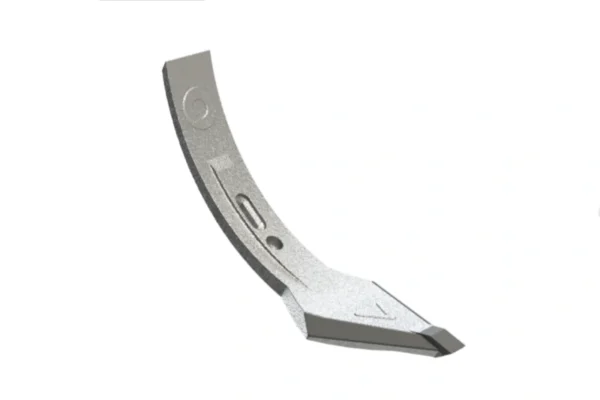
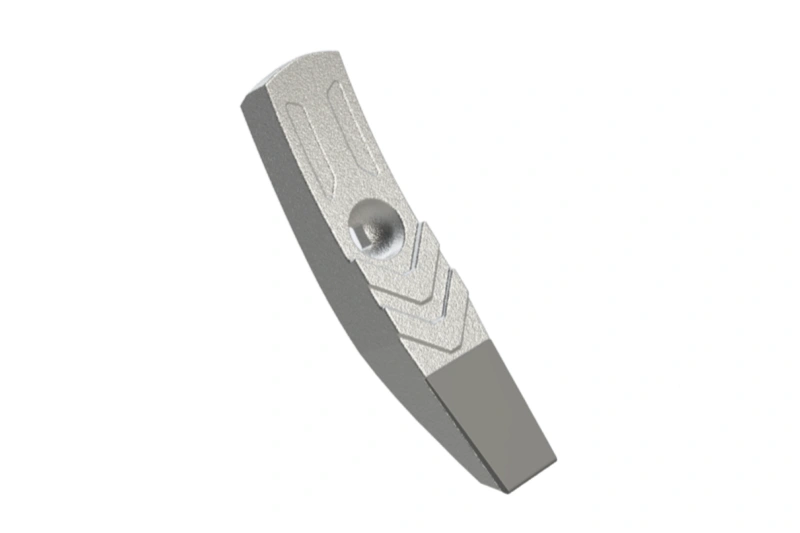
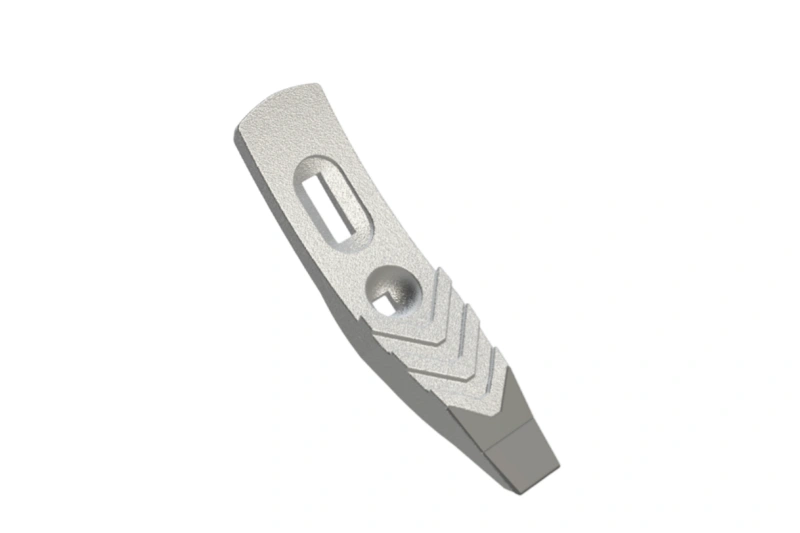
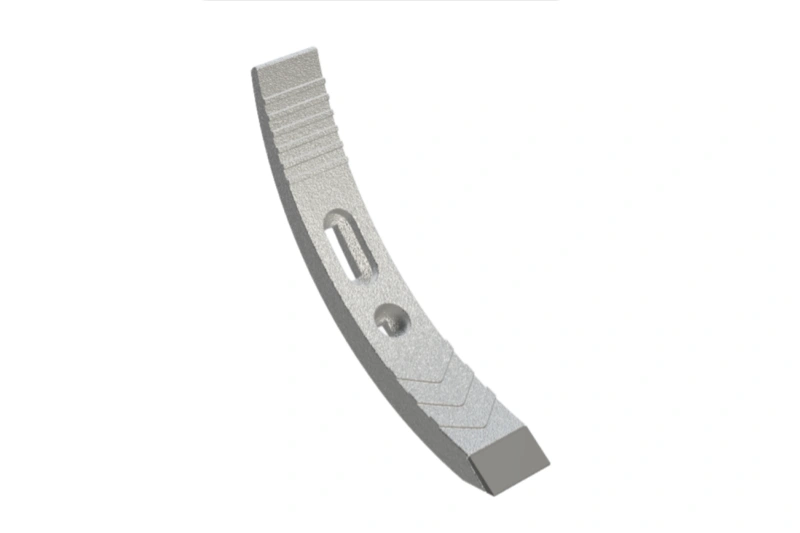
Subsoiler Parts | Heavy-Duty Ripper Tips & Shanks

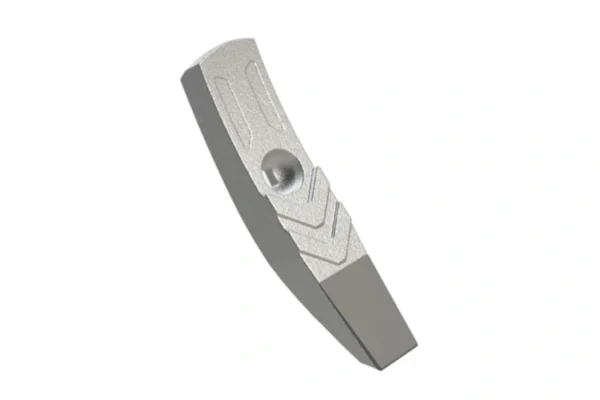
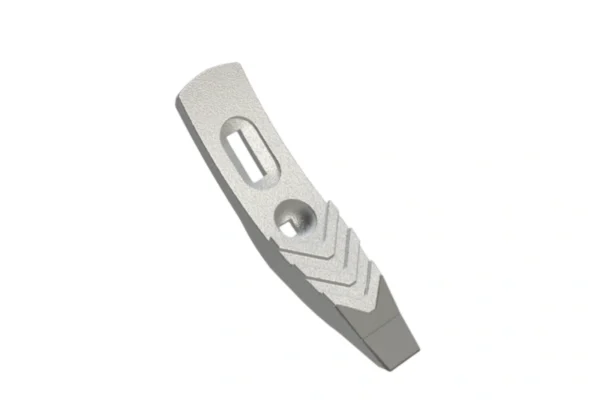
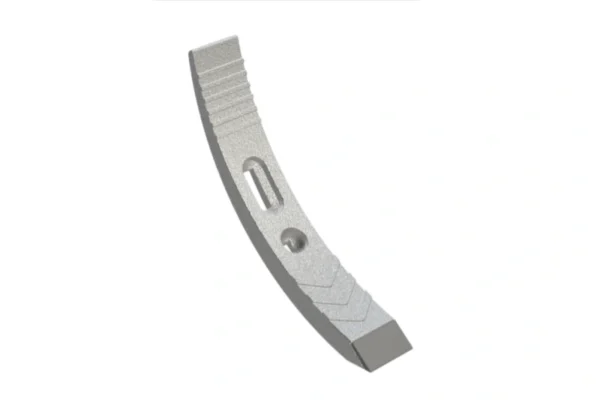
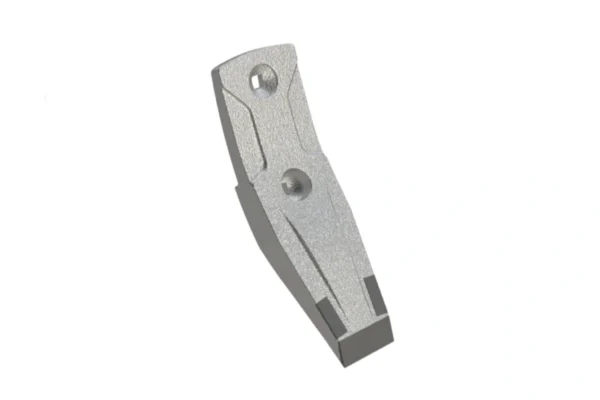
Durable subsoiler parts including heavy-duty ripper tips and shanks. Built with alloy steel and carbide for maximum wear resistance and long service life.

Heavy-Duty Subsoiler Parts for Deep Tillage Performance

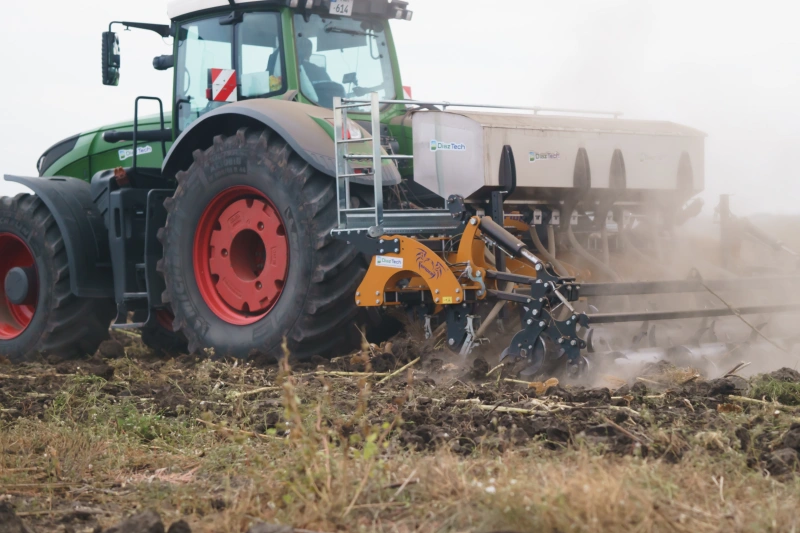
Subsoiler parts are designed for deep tillage applications in compacted, abrasive, and high-resistance soil conditions. They operate under high draft forces to break hardpan layers, improving root development, water infiltration, and soil aeration.
 
Built from heat-treated alloy steel (HRC 38–45) and tungsten carbide-reinforced wear zones (HRA 88–92), these components deliver high penetration strength and extended service life in demanding field environments.
 
High-performance ripper tips and shanks help maintain stable working depth (300–600 mm), reduce tractor load, and improve overall tillage efficiency.
 
Engineering-Grade Manufacturing & Supply
 
JYF Machinery manufactures aftermarket subsoiler parts with controlled heat treatment processes, strict hardness inspection, and dimensional accuracy testing.
 
We supply wear-resistant components compatible with major agricultural machinery systems, supporting OEM customization based on drawings or samples for global agricultural operations.

Key Components of a Subsoiler System

A subsoiler is made up of several heavy-duty components that work together to break compacted soil layers efficiently. Each part plays a specific role in ensuring deep penetration, strong soil fracturing, and reliable performance under extreme draft forces.
 
Understanding these components helps you choose the right parts for maximum productivity and durability.
Subsoiler Parts
The subsoiler plough serves as the main structural frame that supports all working components. It is manufactured from high-strength structural steel and is designed to withstand continuous draft loads during deep tillage operations.
 
  • Material: High-strength structural steel
  • Function: Load distribution and shank mounting
  • Performance requirement: High torsional and impact resistance
  • Application depth: Typically supports 300–600 mm working range
It provides the structural stability required for consistent soil penetration performance.
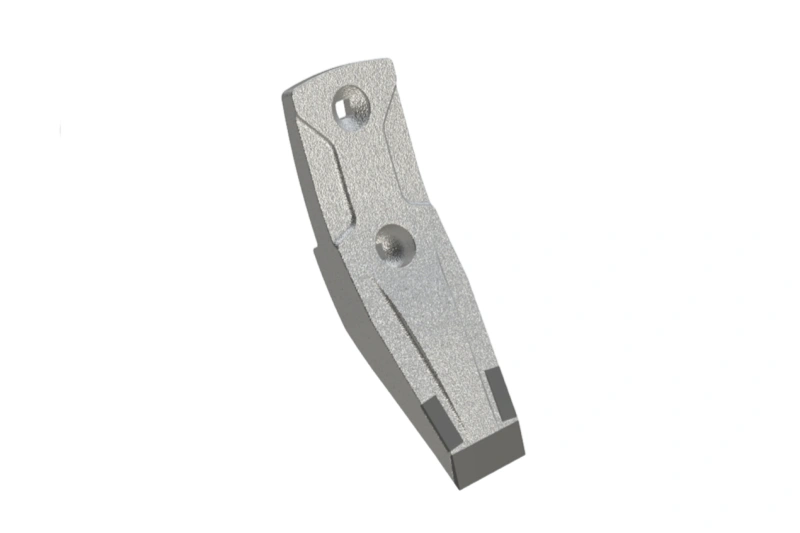
Shanks are the primary load-bearing penetration components of the system, transferring force from the frame into deep soil layers.
 
  • Material: Heat-treated alloy steel (HRC 38–45)
  • Function: Deep soil penetration and force transmission
  • Stress condition: High bending and impact load resistance required
  • Interface: Carries replaceable subsoiler tips
Shank rigidity directly determines penetration stability and operational efficiency.
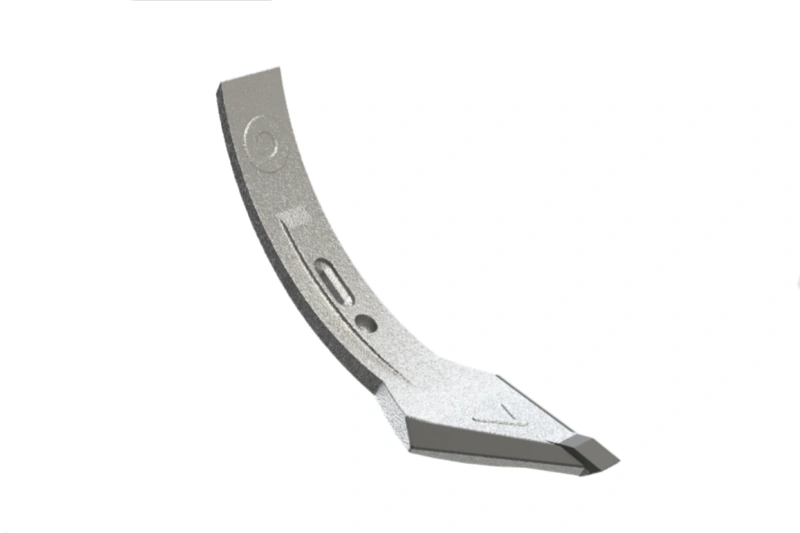
Subsoiler tips are the primary soil-contact wear components responsible for breaking compacted layers and initiating soil fracture.
 
  • Material: Tungsten carbide reinforced steel (HRA 88–92 optional)
  • Function: Soil cutting, fracture initiation, and abrasion resistance
  • Wear condition: Highest wear rate component in the system
  • Benefit: Reduced fuel consumption and improved penetration efficiency
Tip geometry and hardness directly affect soil breaking performance and service life.
Wings are optional wear attachments installed near the cutting tip to expand soil fracture width and improve lateral soil loosening.
 
  • Function: Wider soil fracture zone and improved soil aeration
  • Application: Clay and loam soils
  • Effect: Increased tillage efficiency and reduced pass frequency
  • Limitation: Not recommended for sandy soil conditions
Wings enhance soil disruption efficiency in compacted field conditions.
 
Each component works as part of a unified system where:
 
  • The plough provides structural load support
  • Shanks transmit force into deep soil layers
  • Tips initiate cutting and soil fracture
  • Wings expand the loosened soil zone
Together, they determine overall penetration depth, efficiency, and wear performance under different soil conditions.

Material Specifications & Compatibility

Compatible Equipment Systems

Compatible with major agricultural machinery systems:
 
  • John Deere subsoiler systems
  • Case IH deep tillage equipment
  • New Holland tractors
  • AGCO / Massey Ferguson implements
  • Kubota tillage equipment
Custom OEM compatibility available upon request

Why High-Quality Subsoiler Parts Matter

Subsoiler parts operate under high impact loads and abrasive soil conditions where material strength, hardness, and structural design directly determine performance and service life.
 
High-quality components use heat-treated alloy steel and carbide reinforcement to maintain cutting efficiency and structural integrity under continuous field stress.
 
Improved Penetration & Lower Draft Force: Hardened cutting edges and optimized geometry allow subsoiler parts to penetrate compacted soil layers more effectively, reducing tractor load and fuel consumption during deep tillage operations.
 
Extended Wear Resistance & Service Life: Premium alloy steel (HRC 38–45) combined with tungsten carbide reinforcement (HRA 88–92) significantly improves resistance to abrasion and impact wear, extending service life under harsh soil conditions.
 
Reduced Downtime in Field Operations: Consistent material hardness and structural stability reduce unexpected failures during critical working periods, helping maintain continuous field productivity.
 
More Consistent Soil Fracturing Performance: Precision-engineered tips and shanks ensure uniform soil penetration depth (typically 300–600 mm), improving soil aeration, water infiltration, and root development.
 
Lower Total Cost of Ownership: Longer service life, reduced replacement frequency, and improved operational efficiency contribute to lower overall maintenance costs and higher long-term equipment value.

JYF Subsoiler Parts – Heavy-Duty Performance for Demanding Field Conditions

JYF subsoiler parts are engineered for deep tillage applications in compacted, abrasive, and high-resistance soil environments. Designed for continuous impact loads and long working cycles, they deliver stable penetration performance and extended service life in demanding agricultural operations.
 

Heat-Treated Alloy Steel Construction

 
Manufactured from high-strength alloy steel (e.g., 42CrMo equivalent), processed through controlled heat treatment to achieve:
 
  • Hardness: HRC 38–45
  • High impact resistance under heavy draft force
  • Stable structural performance in deep soil penetration

Tungsten Carbide Reinforced Cutting System

 
Cutting tips are reinforced with tungsten carbide for maximum abrasion resistance in harsh soil conditions such as clay, gravel, and compacted ground.
 
  • Carbide Hardness: HRA 88–92
  • Enhanced wear resistance and cutting stability
  • Reduced replacement frequency in field operations

Hard-Facing Wear Protection Technology

 
Critical wear zones are protected using advanced hard-facing technology to improve surface durability under continuous friction and impact stress.
 
  • Improved resistance to abrasion and deformation
  • Extended service life in high-temperature field conditions
  • Stable performance under heavy load operations
These components are designed for long-term operation in deep tillage environments, balancing penetration efficiency, wear resistance, and structural reliability under extreme soil resistance conditions.

Maximize Efficiency and Durability with JYF Subsoiler Parts

High-quality subsoiler parts are essential for consistent deep tillage, better soil health, and reliable equipment performance. JYF subsoiler components combine premium materials, precision engineering, and advanced wear protection to perform in every field—even the toughest.

Invest in JYF ripper tips and shanks to improve soil penetration, reduce downtime, and lower operating costs, keeping your equipment running strong season after season.

FAQ

Yes. We offer carbide-tipped subsoiler parts designed for high-wear and abrasive soil conditions.
 
Our carbide reinforcement is applied to the cutting edge or working tip area to significantly improve wear resistance and extend service life compared to standard alloy steel parts. This option is recommended for rocky soil, clay-heavy fields, and long-duration deep tillage operations.
We also support customization of carbide coverage based on your machine type, working depth, and soil conditions.
Our subsoiler parts are not universal, but we support compatibility with a wide range of major agricultural machinery through OEM and custom manufacturing.
 
We commonly supply replacement parts for equipment from the following brands:
 
  • John Deere
  • Case IH
  • New Holland
  • Kverneland
  • Lemken
  • Kuhn
  • Kongskilde
  • Maschio Gaspardo
  • Great Plains
  • Bourgault
However, compatibility is not based on brand name alone. Fitment depends on specific technical parameters, including bolt pattern, shank structure, working depth design, and machine model or part number.
If you can provide drawings, OEM part numbers, or physical samples, we can manufacture exact-match subsoiler parts to ensure proper installation, performance, and field durability.
Yes. In most of our designs, subsoiler tips can be replaced separately without changing the entire shank assembly.
 
This replaceable-tip structure allows only the worn cutting point to be replaced, while the main shank is reused. It helps reduce maintenance cost, shorten downtime, and improve overall operating efficiency.
 
We also offer different fastening options such as bolt-on or pin-type systems, depending on your machine configuration and working conditions.
Standard tips and winged tips are designed for different soil breaking requirements.
 
  • Standard tips focus on deep penetration. They are narrow and strong, designed to break compacted soil layers (hardpan) directly below the surface with minimal soil disturbance.
  • Winged tips include lateral “wings” on both sides of the tip. These increase the soil fracture width, lifting and loosening a larger soil area in a single pass. They are more effective for improving overall soil aeration and reducing compaction across a wider zone.
In general, standard tips are preferred for deep ripping applications, while winged tips are used when broader soil loosening and higher field efficiency are required.

Choosing the right subsoiler parts depends on soil type, tractor horsepower, working depth, and wear conditions.

  • Heavy clay soil: Carbide-reinforced tips and reinforced shanks are recommended to withstand high draft forces and abrasive conditions.
  • Loam soil: Heat-treated alloy steel tips with standard shanks provide a balanced combination of durability and performance.
  • Sandy soil: Standard steel tips and basic shank systems are typically sufficient due to lower soil resistance.
  • Rocky soil: Full carbide tips and reinforced structures offer maximum protection against impact and wear.

Tractor power should also be matched to field conditions:

  • 80–120 HP: Light soil applications
  • 120–180 HP: Standard tillage operations
  • 180+ HP: Heavy clay, deep ripping, and rocky soil conditions

Subsoiler wings are generally recommended for clay and loam soils when a wider soil fracture zone is desired, but are often unnecessary in sandy soils where lower resistance allows efficient soil penetration without additional wing attachments.

Scroll to Top