086-577-86255958

sales@jyfmachinery.com

Economic Development Zone

Wencheng,Wenzhou, China.

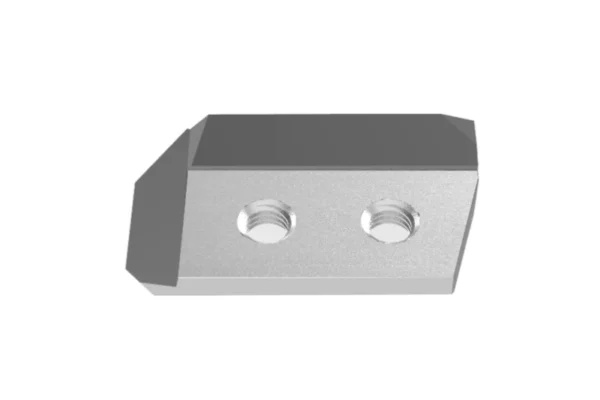
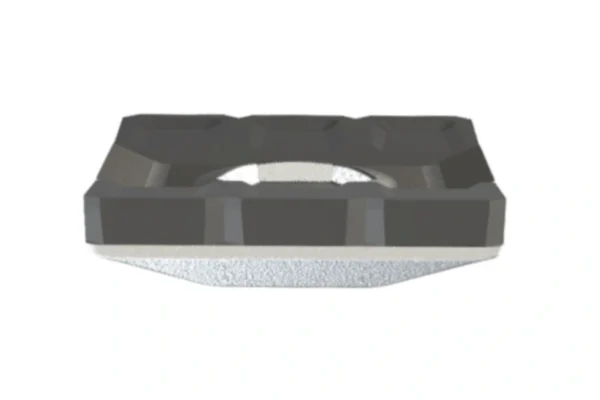
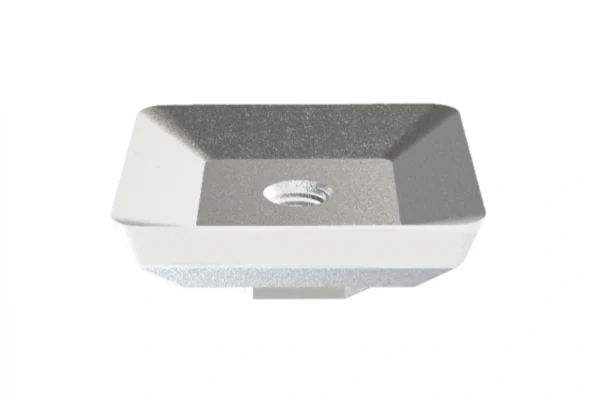
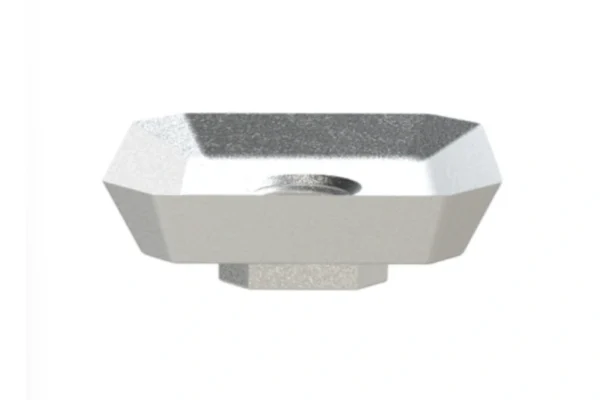
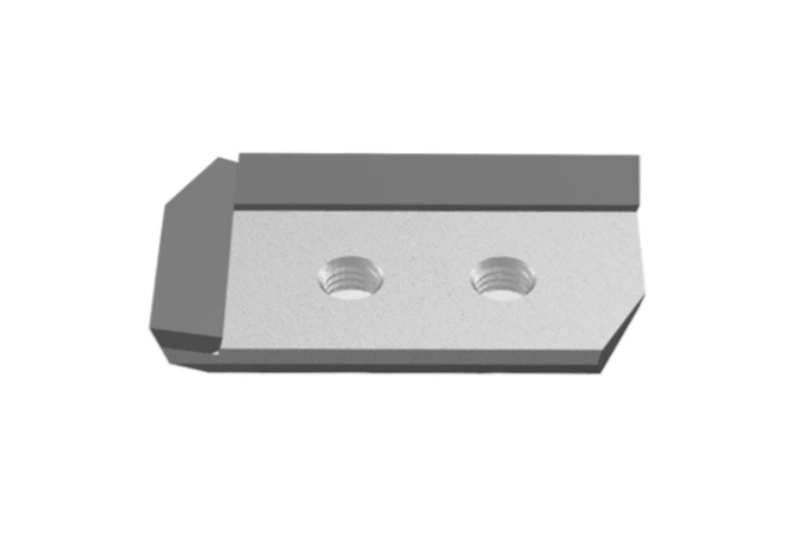
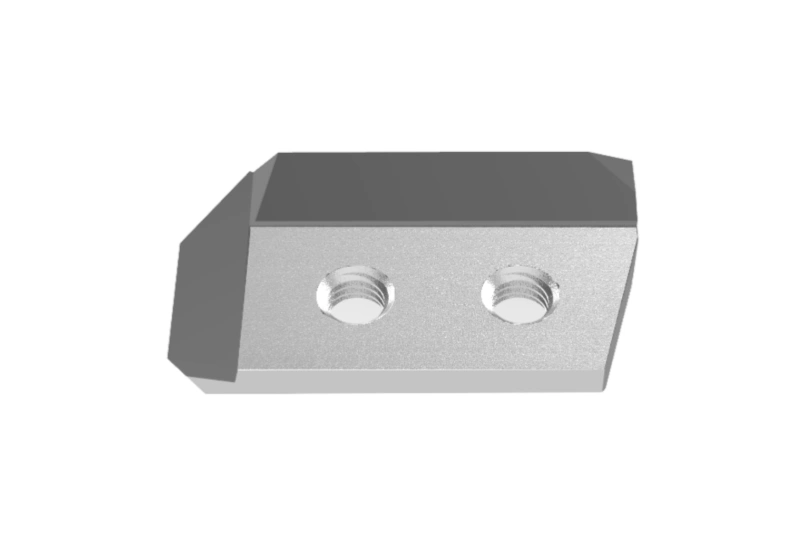
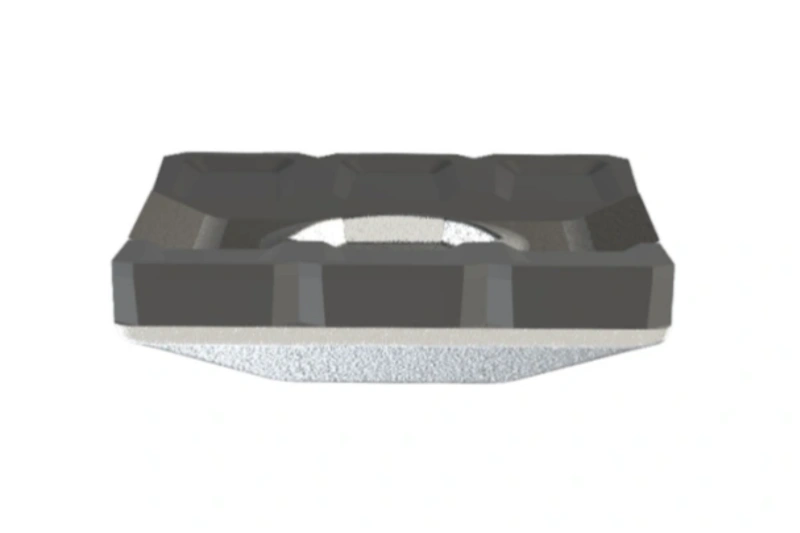
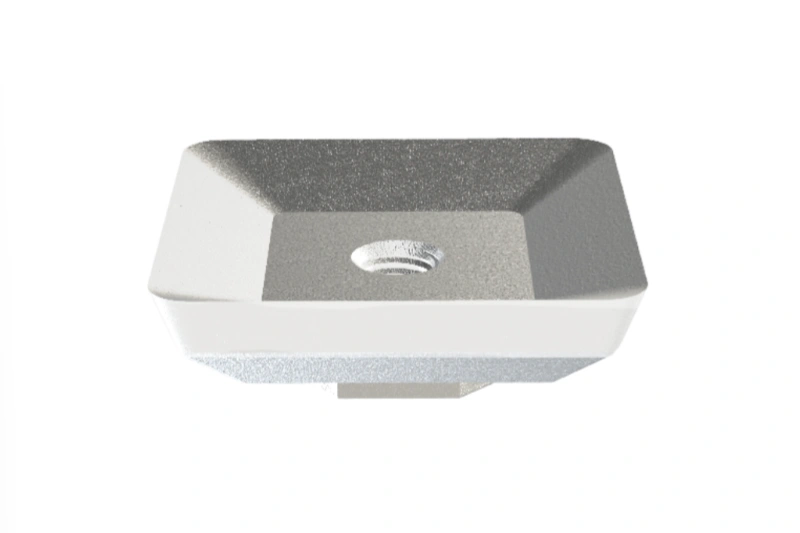
Debarker Tips

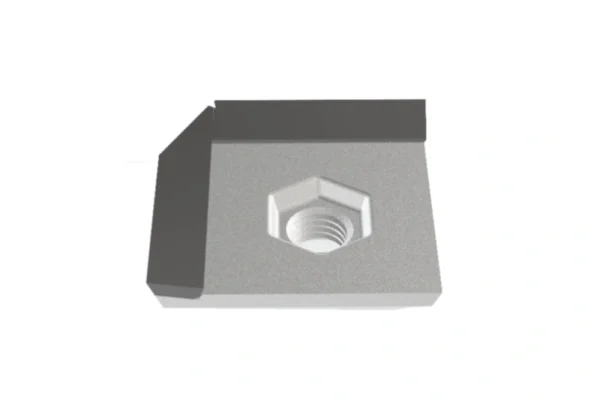
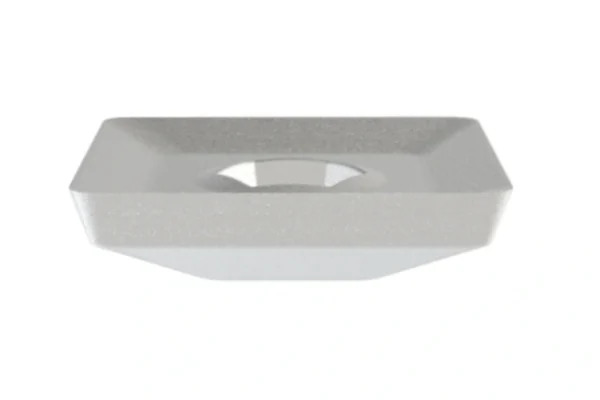
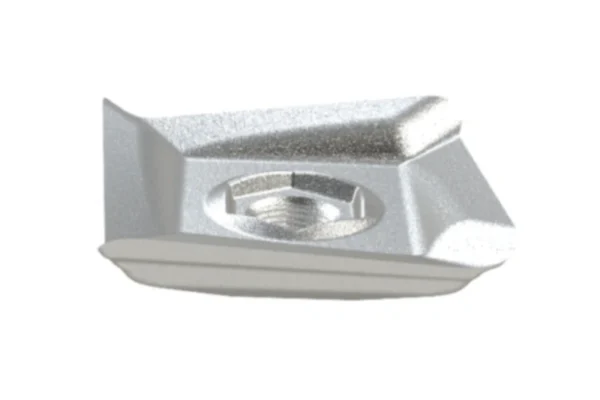
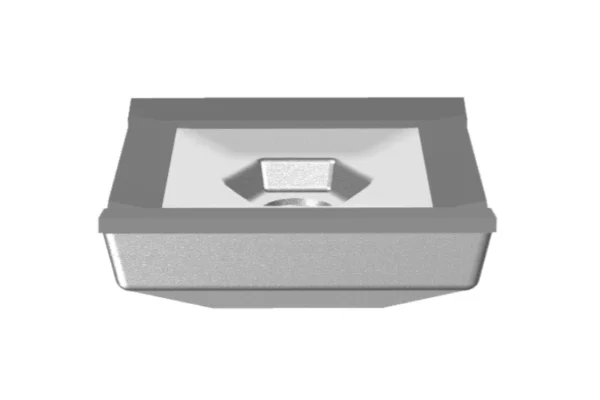
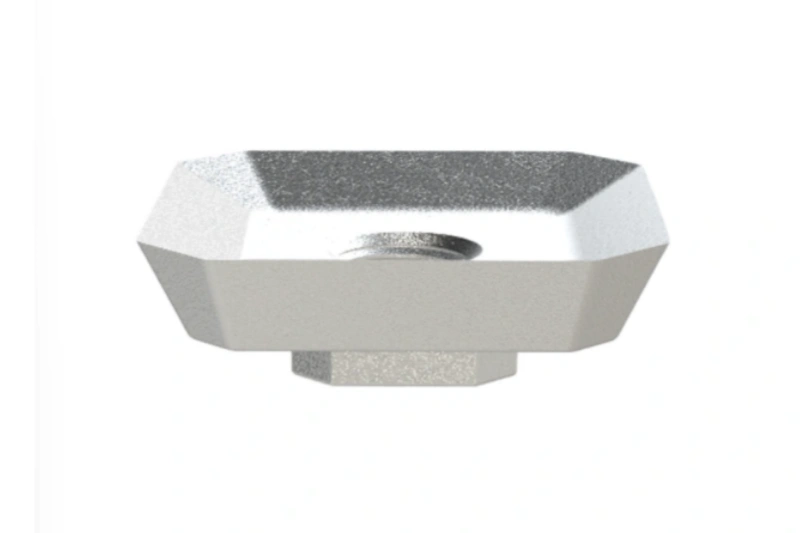
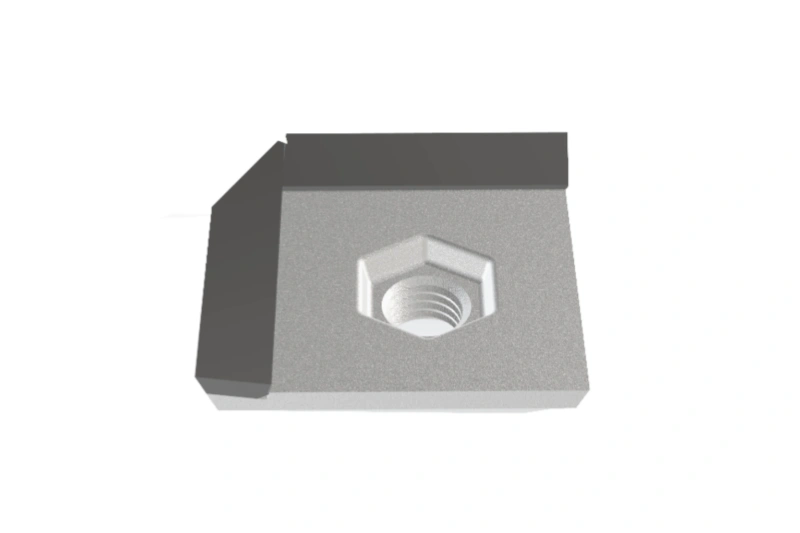
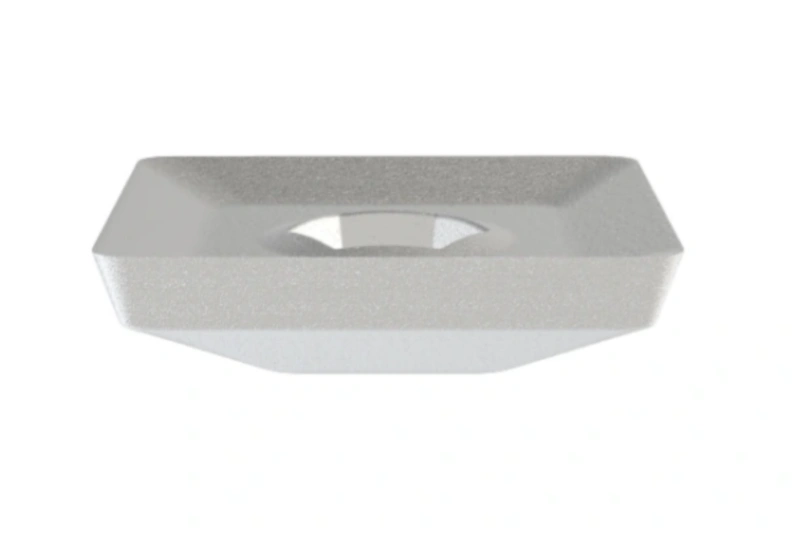
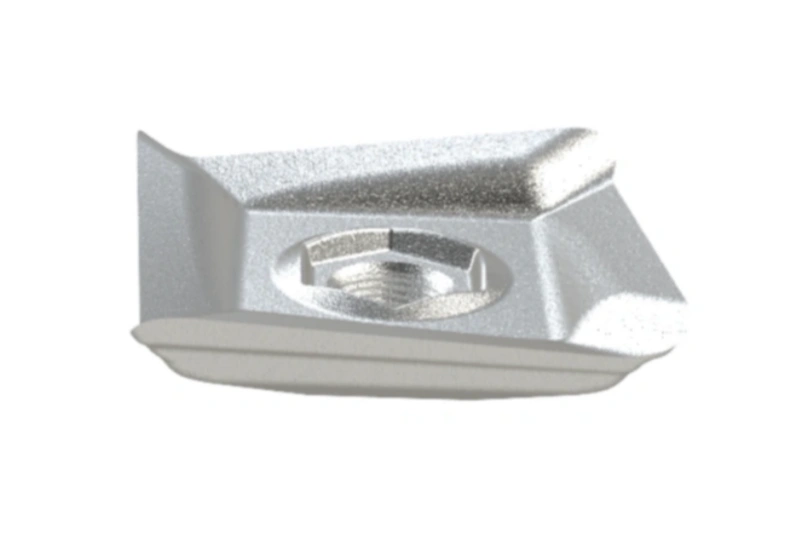
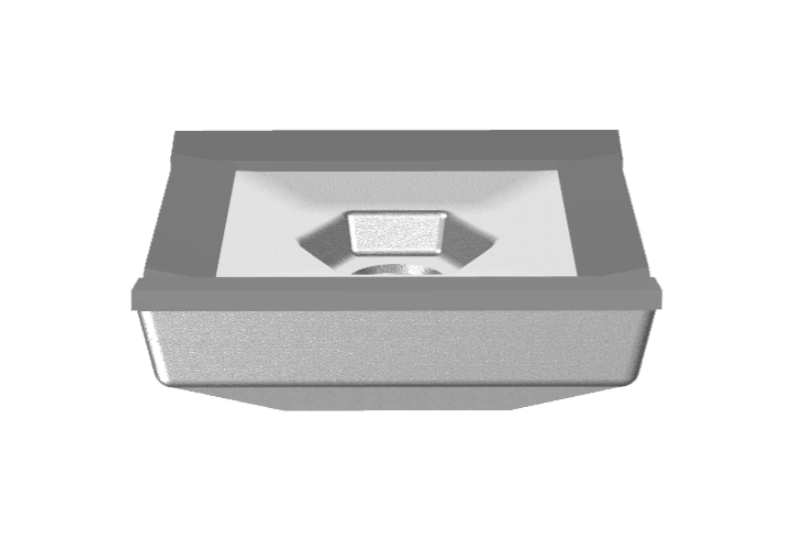
Durable debarker tips for efficient log bark removal. Made with carbide and alloy steel for long wear life, clean results, and reduced downtime.

Debarker Tips for Efficient Log Bark Removal

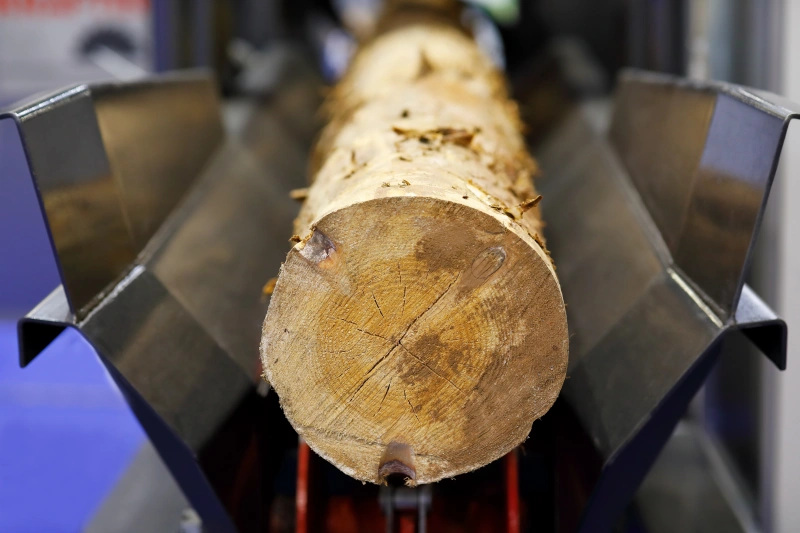
A debarker is a forestry machine used to remove bark from logs before further processing in sawmills, pulp mills, plywood production, and other wood industries.
 
Modern debarking systems—such as drum debarkers, ring debarkers, and disc debarkers—use controlled mechanical pressure and cutting action to separate bark from the log surface while preserving the integrity of the underlying wood.
 
During operation, logs are exposed to high-impact contact with debarker tools, where debarker tips play a critical role in cutting efficiency, bark separation quality, and machine stability.
 
Bark often contains abrasive contaminants such as sand, dirt, and small stones. These materials accelerate wear on debarker components, especially carbide tips, reducing cutting performance over time.
 
For this reason, the condition and quality of debarker tips directly determine:
 
  • Bark removal efficiency
  • Machine productivity and throughput
  • Maintenance frequency and downtime
  • Final wood surface quality
To maintain stable performance in demanding forestry environments, selecting high-quality debarker tips and maintaining them properly is essential.
 
Worn or low-quality components can significantly reduce debarking efficiency and increase operational costs due to frequent replacement and unplanned downtime.

Main Components of a Debarker System

A debarker system is typically composed of three primary components: the rotating drum, the debarking ring (in ring-type systems), and the cutter tools (debarker tips). These components work together to remove bark efficiently while maintaining log quality and throughput stability.
 
Among these components, cutter tools—commonly referred to as debarker tips—are the most critical wear parts in the system, as they directly determine cutting performance, bark removal efficiency, and overall machine uptime.
Debarker Tips
The rotating drum is the primary processing chamber where logs are fed and agitated during operation. As the drum rotates, logs collide with each other and with internal ribs, generating friction that helps loosen bark from the log surface before cutting.
 
While the drum structure supports the debarking process, its performance is highly dependent on the condition of the cutting components interacting with the logs.
In ring-type debarkers, the debarking ring is fitted with multiple cutter heads arranged around a circular frame. As logs pass through the center of the ring, feed rollers rotate and advance the log while the cutter heads remove bark evenly along the surface.
 
This system design allows for continuous processing and high throughput, but also places constant stress on the cutting tools.
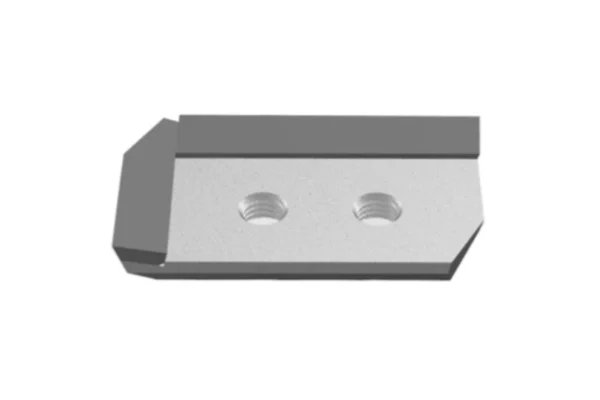
Debarker tips are the primary cutting and wear components responsible for removing bark from the log surface. Their geometry, material composition, and wear resistance directly influence:
 
  • Debarking efficiency
  • Machine uptime and productivity
  • Cutting consistency
  • Operating and maintenance costs
Because logs often contain abrasive contaminants such as sand, soil, and embedded debris, debarker tips are exposed to continuous impact, abrasion, and edge wear during operation.
 
High-quality carbide debarker tips are engineered to withstand these harsh conditions, but all cutting tools require periodic maintenance or repair depending on usage intensity and log material.
 
Poor-quality or worn tips can lead to reduced cutting performance, increased vibration, uneven debarking, and higher replacement frequency.
 
In many operations, debarker tip condition is the single most important factor affecting total system efficiency.

Compatible with Leading Debarker Machine Brands

JYF manufactures high-quality replacement debarker tips compatible with many of the world’s leading log debarker systems. Whether you are replacing worn OEM components or sourcing customized wear parts for new equipment, our engineering team can produce debarker tips that match your machine specifications, ensuring reliable performance, long service life, and consistent bark removal efficiency.
Our debarker tips are manufactured for compatibility with a wide range of industrial debarking equipment, including:
 
  • Nicholson® debarkers for high-capacity log processing operations.
  • Valon Kone® debarkers used in sawmills and wood processing facilities.
  • Cambio® debarkers designed for efficient continuous debarking systems.
  • Brunette® debarkers serving demanding forestry and lumber applications.
  • Salem® debarkers for heavy-duty log handling operations.
  • Rosser Head® debarker systems requiring durable carbide wear parts.
  • Forano® debarkers and other industrial log debarking equipment.
  • Custom-built debarker machines manufactured to customer drawings or OEM specifications.
If your equipment model is not listed above, JYF can manufacture replacement debarker tips according to part numbers, technical drawings, or samples. We offer flexible OEM and custom manufacturing services with various carbide grades, dimensions, mounting configurations, and wear-resistant designs to meet different operating conditions.

Tip Angle Guide for Debarker Performance Optimization

The cutting angle of a debarker tip plays a critical role in determining bark removal efficiency, cutting stability, and overall tool wear life. Selecting the correct angle helps optimize performance across different wood conditions while reducing machine load and maintenance costs.
 
  • In general, lower cutting angles in the range of 0°–10° are recommended for frozen logs and high-density hardwoods, where stronger edge stability and impact resistance are required.
  • Medium angles between 15°–25° are commonly used for mixed or standard log processing, providing a balanced combination of cutting efficiency and durability.
  • Higher angles from 30°–40° are better suited for green wood or softer timber, where faster bark separation and lower cutting resistance are preferred.
For more demanding applications, different tip geometries are also available. Scoring tips are designed to pre-cut the bark layer before full debarking, improving overall efficiency in tough or uneven bark conditions. Bark cutter tips are optimized for heavy-duty removal tasks, particularly in large-diameter logs or abrasive forestry environments.
JYF can also provide customized cutting angles based on machine type, wood species, and seasonal operating conditions to ensure optimal performance in real-world production environments.

High-Performance Debarker Tips from JYF Machinery

JYF Machinery is a professional aftermarket manufacturer of debarker wear parts, providing high-performance replacement tips compatible with major global debarker systems.
 
Our debarker tips are engineered to perform under continuous impact, abrasion, and high-load forestry operations, where durability and cutting stability are critical to production efficiency.

Get High-Performance Debarker Tips from JYF Machinery

JYF Machinery is a professional manufacturer of aftermarket debarker wear parts, supplying precision-engineered replacement tips compatible with a wide range of industrial debarking systems used in sawmills, pulp mills, and forestry operations.
 
We support both standard replacement and custom-engineered debarker tips based on your machine requirements, including:
 
  • OEM-equivalent replacement parts
  • Custom geometry and carbide configurations
  • Compatibility with major debarker systems and brands
  • Small batch and bulk production capability
If your debarker tips are worn, damaged, or require replacement, our engineering team can help you identify the correct specification or develop a custom solution based on your operating conditions.
Contact us today to request a quotation or technical assistance.

FAQ

Debarker tips are mainly used in industries where logs need to be stripped of bark before further processing. The primary applications include:
 
  1. Forestry & Logging Operations Used in mobile and stationary debarking systems during initial timber processing right after harvesting.
  2. Sawmills (Primary Wood Processing) Essential for preparing logs before they enter saw lines to improve cutting efficiency and protect blades.
  3. Pulp & Paper Industry Critical for producing clean wood chips, since bark contamination negatively affects pulp quality and chemical processing.
  4. Biomass Energy Production Used in fuel chip preparation systems where clean, bark-free wood improves combustion efficiency and reduces ash content.
  5. Plywood & Veneer Manufacturing Ensures uniform log surface quality before peeling or slicing veneer sheets.
  6. OSB / Engineered Wood Production Supports consistent chip quality for oriented strand board and similar composite materials.
  7. Wood Pellet & Biofuel Plants Helps maintain feedstock purity, improving pellet density and reducing impurities.
In short, any industrial operation that converts raw logs into chips, fiber, or engineered wood products typically relies on debarker tips as a high-wear cutting component in the debarking process.
Our debarker tips are manufactured using high-wear, impact-resistant tool materials designed for continuous bark removal under abrasive working conditions.
 
Standard material options include:
 
  • Alloy Tool Steel (Heat-Treated)
    • Balanced toughness and hardness
    • Suitable for general-purpose debarking applications
    • Good resistance to shock loading and edge deformation
  • High-Carbon Tool Steel
    • High surface hardness after heat treatment
    • Strong cutting edge retention in moderate conditions
    • Cost-effective option for standard forestry operations
  • Tungsten Carbide-Tipped (Optional Upgrade)
    • Carbide insert brazed onto steel body
    • Extremely high abrasion resistance
    • Significantly extended service life in sandy, frozen, or high-dirt bark conditions
  • Case-Hardened / Surface-Hardened Steel
    • Hardened outer layer with a tougher core
    • Reduces cracking while improving wear resistance
    • Common choice for high-impact debarking systems
If you want, I can break this down by working condition (softwood / hardwood / frozen logs / high-sand environments) or match materials to specific debarker machine types.
Not universally.
 
Our debarker tips are designed for broad OEM compatibility, but they are not one-size-fits-all across every machine model.
Compatibility depends on:
 
  • Debarker head / rotor design Different machines use different mounting geometries, pocket shapes, and tip locking systems.
  • OEM specifications Common compatible systems include aftermarket replacement standards used by major forestry equipment brands, but exact fit must match OEM part number or drawing.
  • Tip configuration (straight tips, curved tips, scoring tips, cutter tips, etc.) vary by debarking system and application.
  • Mounting method Bolt-on, pin-type, or cartridge-style systems are not interchangeable without matching design.
What we support:
 
  • OEM replacement compatibility based on drawings or part numbers
  • Custom production based on sample or machine specs
  • Matching for most mainstream industrial debarker systems used in sawmills and forestry processing lines
To confirm compatibility quickly, please provide:
 
  • Machine brand and model
  • OEM part number (if available)
  • Or a photo / technical drawing of the existing tip
We’ll verify fitment before production or shipment to avoid installation issues.
Yes, we provide full customization for debarker tips based on machine requirements and working conditions.
 
Customization options include:
 
  • Dimensions & geometry
    • Length, width, thickness
    • Cutting profile (straight, curved, beveled, scalloped)
  • Tip type
    • Standard debarker tips
    • Scoring tips
    • Bark cutter / heavy-duty wear tips
    • Anti-chip or reinforced edge designs
  • Material selection
    • Alloy tool steel (heat-treated)
    • High-carbon steel
    • Tungsten carbide-tipped (for high abrasion environments)
  • Mounting system
    • Bolt-on
    • Pin-type
    • Cartridge / holder-specific designs (OEM matched)
  • Performance tuning
    • Hardness level (HRC range adjustment based on application)
    • Edge angle optimization for green wood, frozen logs, or dry hardwood
Our customization process:
 
  1. Share drawing, sample, or OEM part number
  2. We confirm structure, fitment, and application conditions
  3. Prototype or direct production depending on requirement
  4. Final QC before shipment
Yes—debarker tips can be resharpened in many cases, but it depends on the material type and how much wear they’ve experienced.
 
Resharpening depends on:
 
  • Standard tool steel tips
    • Can usually be resharpened multiple times
    • Regrinding restores cutting edge geometry
    • Best suited for cost-efficient life extension
  • Tungsten carbide-tipped tips
    • Limited resharpening potential
    • Only the carbide edge can be lightly reground (specialized equipment required)
    • Often replaced once carbide layer is significantly worn or chipped
  • Severe wear or impact damage
    • If cracking, deformation, or edge breakage occurs, resharpening is not recommended
    • Replacement is more cost-effective and safer for machine stability
Important considerations:
 
  • Regrinding reduces tip size over time, which may affect cutting performance and clearance
  • All tips must be resharpened evenly to maintain rotor balance
  • Improper sharpening can increase vibration and accelerate wear on the debarker head
Practical recommendation:
 
  • Use resharpening as a maintenance strategy for steel tips
  • Treat carbide-tipped versions as long-life wear parts with limited rework cycles
If you want, I can also map out a maintenance + replacement lifecycle schedule for debarker tips based on operating conditions (frozen wood, high-sand bark, etc.).
Scroll to Top