over 20 years’ experience and professional knowledge, technologically changes our technique, we are dedicated to provides the best Cutting and wear resistance solutions to our valued customers.
sales@jyfmachinery.com
Wencheng,Wenzhou, China.
over 20 years’ experience and professional knowledge, technologically changes our technique, we are dedicated to provides the best Cutting and wear resistance solutions to our valued customers.
Mon-Fri, 9am until 6pm
We reply within 24 hours
Wenzhou, China.
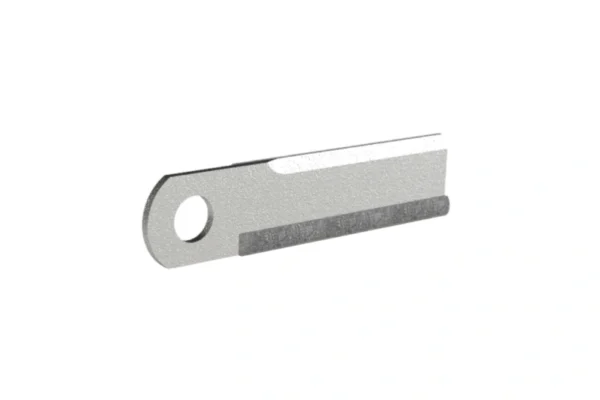
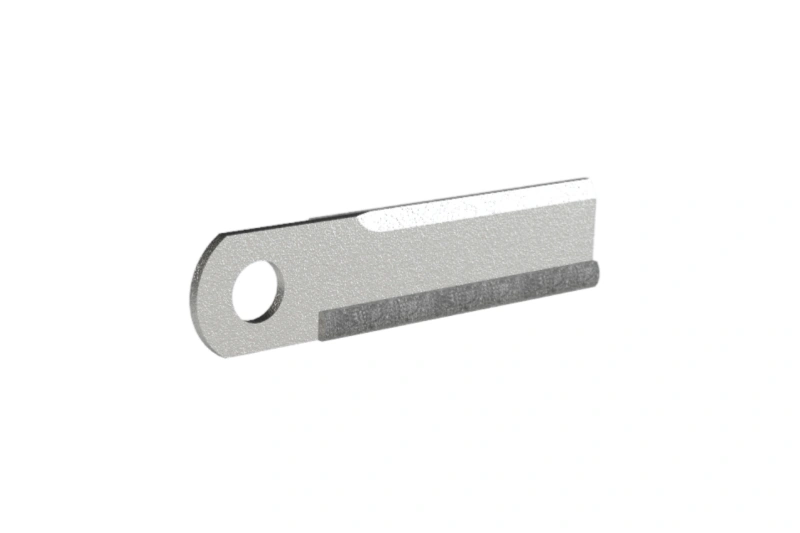
When harvest season arrives, every second counts. Your combine harvester parts need to perform flawlessly, and nothing impacts your operation more directly than the quality of your harvester blade.
These precision-engineered cutting components are the difference between maximum crop yields and devastating losses during the critical harvest window.
A harvester blade isn’t just a piece of metal,it’s a sophisticated cutting tool designed to scrape and slice through standing crops like wheat, barley, corn, and rice at optimal speeds while minimizing grain loss and maintaining crop quality.
The typical combine harvester blade features a triangular tooth structure that combines cutting action with material flow management, ensuring smooth operation throughout long harvest days.
Modern harvester blades incorporate advanced engineering principles that directly impact harvest efficiency. The blade structure comprises a middle cutting member positioned between upper and lower cutting sections, with the lower member reciprocating horizontally to create the cutting action. This design allows the combine harvester blade to cut grain crops cleanly while directing material toward the auger system.
Two primary harvester blade types dominate the agricultural equipment market. Rotary blades offer continuous cutting action ideal for dense crops, while reciprocating-type blades provide precise control for delicate harvesting conditions.
Both are manufactured from high-grade iron and steel alloys, with the most advanced models incorporating heat treatment processes that extend blade life by up to three times compared to standard options.
The harvester blade operates as part of the cutter bar assembly located at the front of the header. As the combine harvester parts work in concert, crop dividers guide standing crops toward the pick-up reel, which pushes material down onto the reciprocating harvester cutter.
The blade teeth, also known as combine fingers, open and close rapidly to sever crop stems cleanly at the optimal height.
Behind the cutting action, spinning augers immediately convey the cut material toward the center of the header, feeding it into the threshing system. This entire process happens at speeds of 2-6 km/hr for wheat and up to 8 km/hr for rice, placing tremendous stress on every component, especially the harvester blade that makes first contact with the crop.
Cheap harvester blades don’t just wear out faster,they cost you money in ways most farmers don’t immediately calculate. Dull or poorly manufactured combine harvester blades create ragged cuts that leave standing stubble, directly reducing your harvested yield. Worse, inadequate cutting performance forces you to slow harvesting speed, cutting your daily productivity and extending your harvest window when weather conditions may deteriorate.
Quality harvester blades from experienced manufacturers deliver measurable advantages. Sharp cutting edges maintained through proper heat treatment minimize leaf and stem shattering, preserving crop quality and reducing field losses.
Proper blade geometry ensures smooth material flow, preventing clogging that causes costly downtime during peak harvest periods when every hour matters.
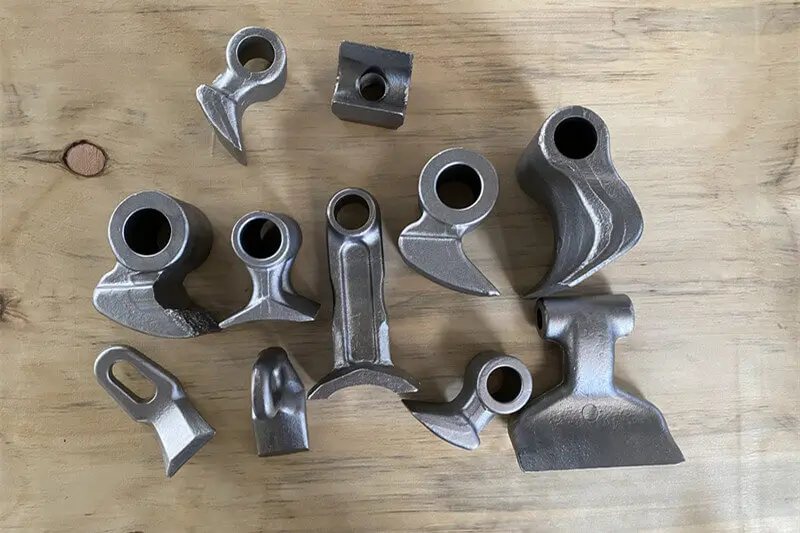

The best harvester blade manufacturers understand that material selection and treatment processes separate adequate performance from exceptional durability. Premium combine harvester blades utilize high-carbon steel alloys chosen specifically for their wear resistance and ability to hold a sharp edge through extended use.
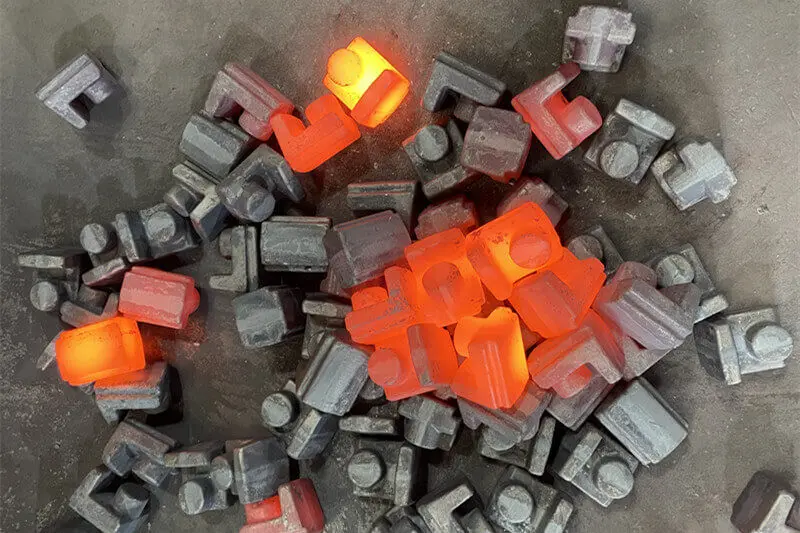
Heat treatment processes then optimize the blade’s hardness profile, hard enough to resist dulling, yet tough enough to withstand impacts from rocks and soil contact without shattering.
Manufacturing processes matter tremendously. Forged harvester blades align the metal’s grain structure along stress lines, creating inherent strength that cast or stamped alternatives simply cannot match. This metallurgical advantage translates directly to longer service life and fewer mid-season blade failures.
Modern harvester blade technology continues advancing as manufacturers develop new materials and geometries that push performance boundaries. Advanced coating technologies extend blade life while improving cutting efficiency. Computer-aided design optimizes tooth geometry for specific crop types, maximizing throughput while minimizing losses.
For farmers and agricultural operations, partnering with an experienced harvester blade manufacturer who invests in continuous improvement ensures access to these innovations.
Whether you’re managing a small family farm or running large-scale commercial harvesting operations, quality combine harvester parts, starting with superior harvester blades,directly impact your bottom line through increased efficiency, reduced losses, and minimized downtime.
The premium investment combine harvester blades at competitive harvester cutter price points pays dividends throughout every harvest season, delivering the performance and reliability that modern agriculture demands.
| Cookie | Duration | Description |
|---|---|---|
| cookielawinfo-checkbox-analytics | 11 months | This cookie is set by GDPR Cookie Consent plugin. The cookie is used to store the user consent for the cookies in the category "Analytics". |
| cookielawinfo-checkbox-functional | 11 months | The cookie is set by GDPR cookie consent to record the user consent for the cookies in the category "Functional". |
| cookielawinfo-checkbox-necessary | 11 months | This cookie is set by GDPR Cookie Consent plugin. The cookies is used to store the user consent for the cookies in the category "Necessary". |
| cookielawinfo-checkbox-others | 11 months | This cookie is set by GDPR Cookie Consent plugin. The cookie is used to store the user consent for the cookies in the category "Other. |
| cookielawinfo-checkbox-performance | 11 months | This cookie is set by GDPR Cookie Consent plugin. The cookie is used to store the user consent for the cookies in the category "Performance". |
| viewed_cookie_policy | 11 months | The cookie is set by the GDPR Cookie Consent plugin and is used to store whether or not user has consented to the use of cookies. It does not store any personal data. |