
Land clearing is a demanding process that requires powerful equipment capable of handling dense vegetation, tough tree roots, and uneven terrain. Among the key components that directly influence performance are drum mulcher teeth, which play a critical role in cutting, grinding, and processing material efficiently.
High-quality drum mulcher teeth improve the overall productivity of forestry mulchers by delivering faster cutting speeds, more consistent results, and reduced machine strain. Their design and material selection also affect fuel consumption, maintenance frequency, and equipment lifespan. As a result, choosing the right mulcher teeth is essential for efficient, cost-effective land-clearing operations across varying working conditions.
Common Types of Drum Mulcher Teeth and Their Uses
Drum mulcher teeth are designed with different materials and structures to handle various land-clearing conditions. Each type offers specific advantages depending on terrain, vegetation, and workload requirements.
- Carbide Drum Mulcher Teeth: Carbide-tipped teeth feature tungsten carbide inserts that provide high hardness and excellent wear resistance. They are ideal for heavy-duty applications such as rocky terrain, hardwood trees, and dense vegetation. Although more expensive, they last significantly longer and reduce the need for replacements.
- Steel Drum Mulcher Teeth: Steel teeth are a cost-effective option used mainly for light to medium-duty land clearing. They work well in soft vegetation, grass, and small brush. While they wear faster than carbide types, they are easier to maintain and replace, making them suitable for budget-conscious operations.
- Fixed Drum Mulcher Teeth: Teeth are securely attached to the drum, providing stable, consistent cutting performance. They are commonly used in aggressive mulching tasks that require strong, direct cutting power. Their rigid structure helps maintain cutting accuracy under tough working conditions.
- Swing Drum Mulcher Teeth: Swing teeth have a flexible design that allows slight movement during operation. This helps absorb shock when hitting rocks or hard debris, reducing stress on the equipment. They are well-suited for mixed terrain environments where conditions vary frequently.
Each type of drum mulcher tooth is designed for specific working conditions, and selecting the right one helps improve efficiency, reduce wear, and enhance overall land clearing performance.
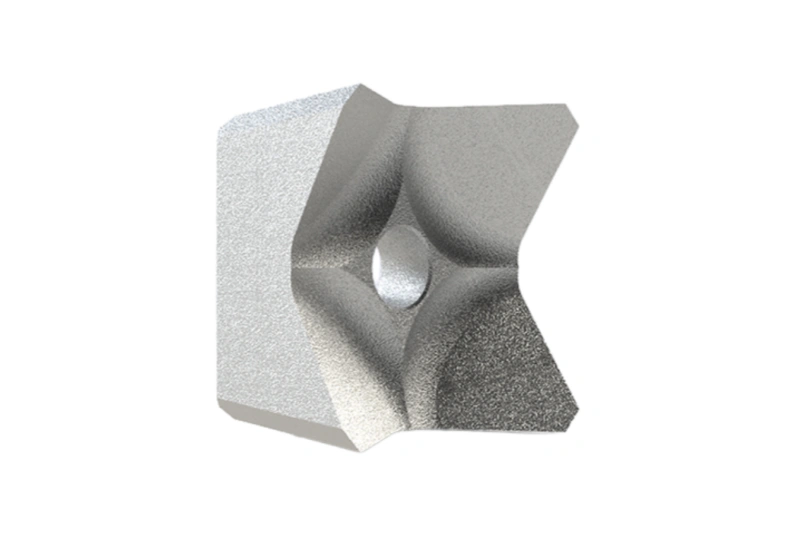
Key Factors That Affect Drum Mulcher Teeth Performance
The performance of drum mulcher teeth directly impacts cutting efficiency, fuel consumption, and overall equipment productivity. Several important factors determine how well these teeth perform in different land-clearing conditions.
- Tooth Material Quality: The material used in mulcher teeth plays a major role in durability and cutting efficiency. Tungsten carbide-tipped teeth offer superior wear resistance for harsh environments, while alloy steel teeth are better suited for lighter applications. Higher-quality materials generally provide longer service life and more stable performance.
- Tooth Design and Geometry: The shape and structure of the tooth influence how effectively it cuts through vegetation. Sharp, well-designed cutting edges improve penetration and reduce resistance, leading to smoother operation. Poorly designed teeth can increase vibration, reduce efficiency, and cause uneven wear.
- Working Environment and Terrain Conditions: Terrain has a significant impact on tooth wear. Rocky ground, sandy soil, and hardwood forests all increase abrasion and impact stress. In contrast, soft-vegetation environments cause less wear, allowing teeth to last longer and maintain their performance.
- Machine Power and Operating Speed: The mulcher’s power output and operating speed also affect tooth performance. Excessive speed or mismatched machine settings can lead to faster wear and reduced cutting efficiency. Proper calibration ensures balanced performance and longer tool life.
- Operator Usage and Maintenance Practices: Proper handling and maintenance greatly influence how long drum mulcher teeth perform effectively. Regular inspections, timely replacements, and correct operating techniques help prevent unnecessary damage and maintain consistent cutting results.
How Drum Mulcher Teeth Improve Land Clearing Efficiency
Drum mulcher teeth are essential components that directly determine how efficiently land clearing operations are carried out. Their cutting ability, durability, and design all contribute to overall machine performance and productivity in the field.
1. Faster Cutting and Material Processing
High-quality drum mulcher teeth are designed to cut through dense vegetation, trees, and brush with minimal resistance. Their sharp edges allow for quicker penetration into materials, improving the speed of each cutting cycle. This reduces the time required to clear large areas of land. As a result, operators can complete projects more efficiently. Overall productivity is significantly improved in both light and heavy-duty applications.
2. Improved Fuel Efficiency
When drum mulcher teeth are sharp and efficient, the machine requires less power to process vegetation. This reduces engine load and allows the equipment to operate more smoothly. Lower resistance during cutting directly reduces fuel consumption. Over long working hours, this leads to noticeable cost savings. Efficient teeth design helps optimize overall operational economy.
3. Reduced Machine Wear and Downtime
Efficient cutting teeth help minimize vibration and shock during operation, which reduces stress on the mulching drum and other machine parts. This lowers the risk of premature wear or mechanical failure. With fewer breakdowns, equipment requires less frequent maintenance. Downtime is significantly reduced, improving job continuity. This results in better operational reliability in the field.
4. Consistent and Cleaner Results
Well-designed drum mulcher teeth ensure uniform cutting performance across different types of vegetation. They produce finer, more consistent mulch, improving the overall finish of the cleared land. This reduces the need for additional processing or rework. Operators can achieve cleaner results in a single pass. Consistency in performance enhances job quality and client satisfaction.
5. Increased Productivity in Tough Conditions
In challenging environments such as rocky terrain or dense hardwood forests, durable mulcher teeth maintain strong cutting performance. They are designed to withstand heavy impact and abrasion over extended periods. This allows continuous operation without frequent interruptions. Even under harsh conditions, efficiency remains stable. As a result, overall productivity is greatly improved in demanding applications.
How to Choose the Right Drum Mulcher Teeth for Different Applications
Selecting the right drum mulcher teeth is essential for achieving optimal cutting performance, reducing wear, and improving overall land clearing efficiency. Different working environments and machine requirements demand different tooth types and materials.
Consider the Terrain Conditions
The type of terrain plays a major role in tooth selection. Rocky or abrasive ground requires highly durable carbide-tipped teeth for better resistance to impact and wear. Softer soil and light vegetation can be handled effectively with standard steel teeth. Mixed terrain may require a balanced option that offers both strength and flexibility. Matching teeth to terrain helps extend service life and improve performance.
Match Teeth to Vegetation Type
Different vegetation requires different cutting capabilities. Dense hardwood forests need strong, sharp carbide teeth to handle tough cutting resistance. Brush and grass clearing can be managed using lighter steel teeth that prioritize speed and efficiency. For mixed vegetation, versatile tooth designs are recommended. Choosing based on material type ensures smoother and faster operation.
Check Machine Compatibility
Not all drum mulcher teeth fit every machine model, so compatibility is critical. Operators must ensure that the tooth design matches the drum system and mounting type. Incorrect fitting can lead to poor performance or even equipment damage. Manufacturer recommendations should always be followed. Proper compatibility ensures stable and safe operation.
Evaluate Durability and Material Quality
High-quality materials such as tungsten carbide provide longer service life and better wear resistance. While they may have a higher initial cost, they reduce replacement frequency and downtime. Steel teeth are more economical but may wear faster in demanding conditions. Choosing the right balance between cost and durability is important. Quality directly affects long-term operational efficiency.
Consider Cost vs. Performance Balance
Budget is always an important factor in selecting drum mulcher teeth. However, focusing only on low cost may lead to higher long-term maintenance expenses. Investing in durable, efficient teeth can improve productivity and reduce downtime. Operators should evaluate total operating cost rather than just purchase price. A balanced choice ensures better overall value in the long run.
Final Thoughts
Drum mulcher teeth are a key factor in determining the efficiency, durability, and overall performance of land clearing operations. From selecting the right type and material to understanding working conditions and maintenance needs, every decision directly impacts cutting speed, fuel consumption, and equipment lifespan. Properly chosen and well-maintained teeth not only improve productivity but also reduce downtime and operating costs in demanding environments.
By investing in high-quality drum mulcher teeth and using them correctly, operators can achieve more consistent results and maximize the efficiency of their forestry mulching equipment. For reliable performance and long-term value, choosing trusted suppliers such as JYF Machinery can make a significant difference in daily operations.
FAQs About Drum Mulcher Teeth
1. What are drum mulcher teeth used for?
Drum mulcher teeth are used in forestry mulchers to cut, grind, and process trees, brush, and vegetation. They play a key role in land clearing, helping equipment break down material efficiently into fine mulch, making site preparation and cleanup easier.
2. How often should drum mulcher teeth be replaced?
Replacement frequency depends on working conditions, material type, and usage intensity. In heavy-duty or rocky environments, teeth may wear faster and require more frequent replacement. Regular inspection helps identify wear early, maintaining efficient cutting performance and avoiding equipment strain.
3. What is the difference between carbide and steel drum mulcher teeth?
Carbide teeth use tungsten carbide tips for higher wear resistance and are ideal for tough conditions like rocky terrain and hardwood. Steel teeth are more affordable and better suited to lighter vegetation. However, they wear out faster than carbide options.
4. How do I know if my drum mulcher teeth are worn out?
Common signs include reduced cutting efficiency, uneven mulching results, increased vibration, and higher fuel consumption. Visible damage such as chipping, cracking, or excessive wear also indicates that replacement is needed.