
Choosing the wrong forestry mulcher often leads to slow cutting, frequent breakdowns, and rising operating costs—most of which operators don’t realize come from one overlooked component: mulcher teeth. While machine power gets all the attention, it’s the teeth that ultimately decide how efficiently the machine performs in real working conditions.
Whether you’re clearing dense forest, handling brush, or working on mixed terrain, the right mulcher teeth can dramatically improve cutting speed, reduce fuel consumption, and extend equipment life. This guide will show you exactly how to choose a forestry mulcher based on mulcher teeth—so you can improve performance, reduce downtime, and avoid costly mistakes from the start.
What Is a Forestry Mulcher? (Quick Overview)
A forestry mulcher is a powerful land-clearing machine designed to shred vegetation such as trees, brush, and stumps into mulch. It uses a rotating drum or disc equipped with cutting teeth to process material efficiently on-site.
Common types of forestry mulchers include:
- Skid steer, excavator, and tractor-mounted (PTO) mulchers based on the carrier machine
- Drum mulchers and disc mulchers based on the cutting system
While the machine type matters, the cutting system—especially the mulcher teeth—ultimately determines how efficiently material is processed and the overall performance of the mulcher.

Why Mulcher Teeth Matter More Than the Mulcher Itself
When it comes to forestry mulching, the machine provides the power—but the mulcher teeth do the actual work. As the only component that directly contacts wood, brush, and soil, they have the greatest impact on performance and efficiency.
- Cutting efficiency: High-quality, sharp teeth cut faster and more cleanly, improving productivity and reducing workload.
- Fuel consumption and machine wear: Efficient teeth require less force, which lowers fuel usage and reduces strain on the rotor and hydraulic system.
- Operating costs: Durable teeth last longer, minimizing replacements, downtime, and long-term expenses compared to cheaper alternatives.
- Mulch quality: The right teeth produce more consistent and finely processed material, improving overall job results.
- Performance consistency: Well-designed teeth maintain stable cutting performance across different vegetation types and working conditions.
Choosing the right mulcher teeth ensures better efficiency, lower costs, and more reliable results—making them more important than the machine itself in many applications.
Main Types of Forestry Mulcher Teeth
Choosing the right type of mulcher teeth is essential for achieving optimal performance, durability, and cost efficiency. Different teeth are designed for specific materials, terrain, and working conditions.
1. Carbide Mulcher Teeth
Carbide mulcher teeth are designed for the toughest working conditions, including hardwood, dense vegetation, and rocky terrain. They offer excellent wear resistance and a long service life, making them ideal for heavy-duty forestry work where durability is a priority. Although they come with a higher initial cost, their extended lifespan often reduces long-term replacement expenses.
2. Steel Mulcher Teeth
Steel mulcher teeth are commonly used for lighter applications such as softwood, brush, and general vegetation clearing. They are more affordable and provide fast cutting performance, making them suitable for less demanding jobs. However, they tend to wear faster than carbide options and require more frequent replacement.
3. Fixed Teeth
Fixed teeth are rigidly mounted to the rotor, allowing for aggressive and consistent cutting performance. They are well-suited for heavy forestry work where maximum cutting power is needed. While they deliver strong performance, they may be more vulnerable to damage when encountering hard or unexpected obstacles.
4. Swing Teeth
Swing teeth are designed to pivot or move upon impact, helping reduce damage when hitting rocks or hard debris. This makes them ideal for rocky or uneven terrain where protection and flexibility are important. Although slightly less aggressive in cutting compared to fixed teeth, they offer improved durability in challenging environments.
How to Choose a Forestry Mulcher Based on Mulcher Teeth
The type of teeth you use directly affects cutting performance, durability, and efficiency, making it essential to match the right machine to your job. The sections below will help you match the right teeth to your vegetation, terrain, and job requirements.
1. Match Teeth to Vegetation Type
The type of vegetation you are clearing is one of the most important factors in selecting mulcher teeth. Dense hardwood and thick forest require strong, wear-resistant options like carbide teeth for consistent cutting performance. Lighter vegetation, such as brush, grass, or softwood, can be handled efficiently with steel teeth. Using the correct tooth type improves cutting speed and reduces unnecessary wear. It also helps achieve cleaner and more uniform mulching results.
2. Consider Terrain Conditions
Terrain plays a major role in tooth performance and lifespan. Rocky or uneven ground can quickly damage weaker teeth, so carbide or swing teeth are usually the better choice. Flat and predictable terrain allows for more aggressive cutting with fixed teeth for higher productivity. Choosing the right teeth for the ground conditions helps prevent breakage and downtime. It also ensures safer and more stable machine operation.
3. Evaluate Job Intensity
The intensity and frequency of your work should guide your tooth selection. For light or occasional use, standard steel teeth may be sufficient and cost-effective. However, for heavy-duty or continuous forestry operations, carbide teeth are more reliable due to their longer service life. They reduce the need for frequent replacements and minimize downtime. Matching teeth to workload improves both efficiency and long-term cost control.
4. Ensure Machine Compatibility
Not all mulcher teeth are compatible with every machine model or setup. It is important to confirm whether your forestry mulcher is skid steer, excavator, or PTO-driven before selecting teeth. Each system may require specific mounting styles or tooth designs. Using incompatible teeth can reduce performance or cause mechanical issues. Proper compatibility ensures smooth operation and maximizes equipment efficiency.
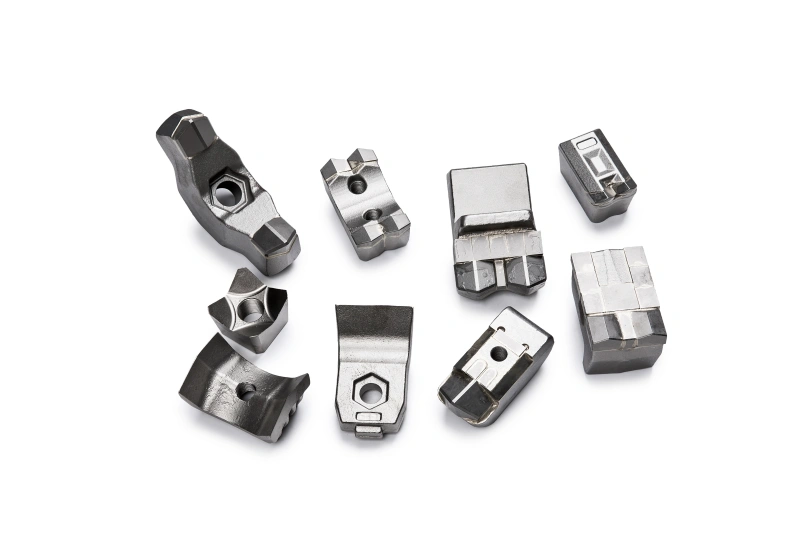
Tips to Extend Mulcher Teeth Lifespan
Proper maintenance and correct usage can significantly extend the lifespan of mulcher teeth, helping reduce downtime and replacement costs while maintaining consistent performance.
- Perform regular inspections: Check teeth frequently for wear, cracks, or damage. Early detection helps prevent performance loss and avoids further damage to the mulcher system.
- Use correct operating techniques: Avoid forcing the machine into oversized material. Let the teeth do the cutting work to reduce impact stress and unnecessary wear.
- Rotate and replace teeth on time: Even rotation helps distribute wear evenly across all teeth. Replace worn teeth promptly to maintain balance and cutting efficiency.
- Keep the system clean: Remove dirt, debris, and buildup after each use. A clean cutting system reduces friction and helps teeth last longer.
- Match teeth to the right application: Always use the correct tooth type for the vegetation and terrain. Proper matching reduces strain and significantly improves service life.
Final Thoughts
Selecting the right forestry mulcher comes down to one key factor—mulcher teeth. The right teeth improve cutting performance, reduce wear, and lower long-term operating costs across different working conditions. For reliable and durable solutions, JYF Machinery offers high-quality mulcher teeth designed to boost efficiency and performance. Choose the right teeth to get better results and maximize productivity on every job.
FAQs About Forestry Mulcher Teeth
1. What are forestry mulcher teeth used for?
Forestry mulcher teeth are cutting tools mounted on a mulcher drum or disc that break down trees, brush, and vegetation into fine mulch. They directly impact how efficiently the machine clears land, making it essential for forestry, land clearing, and vegetation management applications in different terrain conditions.
2. What is the difference between carbide and steel mulcher teeth?
Carbide mulcher teeth are built for durability and heavy-duty cutting, especially in hardwood, rocky terrain, and demanding forestry work. Steel teeth are more affordable and suitable for lighter vegetation like brush and softwood. However, steel wears faster, while carbide provides longer service life and better resistance to abrasion and impact.
3. How often should mulcher teeth be replaced?
Replacement frequency depends on working conditions, material type, and usage intensity. In heavy forestry applications, carbide teeth can last hundreds of operating hours, while steel teeth may need more frequent replacement. Regular inspection is essential to identify wear early and maintain consistent cutting performance and machine efficiency.