
Flail mowers are widely used in agriculture, landscaping, forestry, and roadside maintenance because of their ability to efficiently cut and mulch a wide range of vegetation. Unlike conventional rotary mowers, flail mowers use a rotating drum fitted with multiple cutting attachments known as flail mower teeth. These teeth swing freely as the rotor spins, striking and shredding vegetation into smaller pieces.
The performance of a flail mower largely depends on the type of teeth installed. Among the various designs available, hammer blades and Y-blades are the two most common options. While both serve the same basic purpose, they are designed for different operating conditions and vegetation types. Choosing the right flail mower teeth can improve cutting quality, increase productivity, reduce fuel consumption, and extend equipment life.
This article compares hammer blades and Y-blades in detail, examining their features, advantages, applications, and key differences to help operators select the best option for their specific needs.
What Are Flail Mower Teeth?
Flail mower teeth are the cutting components attached to the rotor of a flail mower. As the rotor spins at high speed, the teeth swing outward due to centrifugal force and strike vegetation repeatedly. This impact-based cutting action allows the mower to process grass, weeds, brush, and even small woody material.
Unlike fixed mower blades, flail mower teeth are individually mounted and can move independently. This design helps absorb impacts from rocks, stumps, and uneven terrain, reducing the risk of serious damage to the machine.
The choice of flail mower teeth directly affects several aspects of mower performance, including:
- Cutting efficiency
- Mulching capability
- Fuel consumption
- Durability
- Maintenance requirements
- Overall operating costs
Different mowing applications require different tooth designs. For example, maintaining a pasture with mostly grass requires a different cutting action than clearing overgrown land filled with brush and saplings. This is where understanding the differences between hammer blades and Y-blades becomes important.
Understanding Hammer Blades
What Are Hammer Blades?
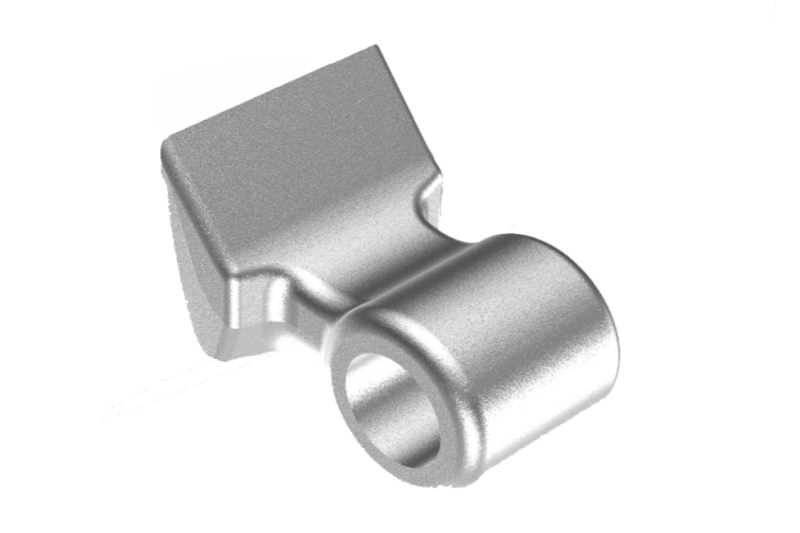
Hammer blades are heavy-duty flail mower teeth designed for demanding vegetation management tasks. They feature thick, solid construction and resemble small hammers, which is where they get their name.
Typically manufactured from hardened alloy steel, hammer blades are built to withstand significant impact forces and abrasive working conditions. Their weight and robust design make them particularly effective for cutting dense vegetation and shredding woody material.
Hammer blades are commonly used for:
- Land clearing
- Forestry maintenance
- Brush control
- Orchard management
- Vineyard maintenance
- Roadside vegetation management
- Reclaiming overgrown farmland
Advantages of Flail Mower Blades
Flail mower blades are widely recognized for their strength, durability, and ability to handle demanding mowing conditions. Their heavy-duty design allows them to process dense vegetation more effectively than many other types of flail mower teeth. Below are some of the key advantages of using hammer blades:
- Excellent Cutting Power: One of the biggest advantages of hammer blades is their ability to tackle tough vegetation. The additional weight creates a stronger impact force, allowing the teeth to break through thick grass, brush, and small branches with ease.
- Superior Mulching Performance: Hammer blades do more than simply cut vegetation. Their impact action also shreds and pulverizes material into smaller pieces. This results in finer mulch that decomposes more quickly and leaves a cleaner work area.
- High Durability and Wear Resistance: Designed for heavy-duty use, hammer blades typically offer a longer service life than lighter blade designs. Their robust construction helps them withstand impacts from rocks, roots, and other obstacles commonly found in rough terrain, reducing replacement frequency and maintenance costs.
- Reliable Performance in Challenging Conditions: Hammer blades perform exceptionally well in demanding environments where vegetation is thick, overgrown, or difficult to control. They are widely used in overgrown fields, orchards, vineyards, roadside maintenance projects, and land-clearing operations, where consistent cutting and mulching performance is essential.
Understanding Y-Blades
What Are Y-Blades?
Y-blades are lightweight flail mower teeth characterized by their distinctive Y-shaped design. Unlike hammer blades, Y-blades are designed primarily for cutting grass and light vegetation rather than heavy shredding.
Their lighter construction allows them to move through vegetation with less resistance, making them ideal for routine mowing tasks where a cleaner finish is desired.
Y-blades are frequently used for:
- Lawn maintenance
- Pasture mowing
- Park maintenance
- Recreational areas
- Grass management
- Light weed control
Advantages of Y-Blades
Y-blades are designed for efficient mowing and are particularly well suited for grass, weeds, and other light vegetation. Their lightweight design and sharp cutting edges allow them to deliver a clean finish while reducing the power required for operation. Below are some of the key advantages of using Y-blades:
- Cleaner Cutting Results: Y-blades provide a slicing action that produces a more uniform and visually appealing cut. This makes them popular for applications where appearance matters, such as parks, sports fields, and landscaped areas.
- Lower Power Requirements: Because Y-blades are significantly lighter than hammer blades, they require less power to operate. This allows smaller tractors and lower-horsepower machines to maintain efficient mowing performance.
- Improved Fuel Efficiency: The reduced weight and lower rotor load of Y-blades help decrease fuel consumption during operation. For operators who regularly maintain large grassy areas, this improved efficiency can contribute to lower operating costs over time.
- Higher Productivity in Light Vegetation: Y-blades are highly effective in grass, weeds, and other light vegetation. Their streamlined design allows them to move through vegetation smoothly, enabling operators to mow efficiently while maintaining consistent cutting quality. This can improve productivity, particularly in routine maintenance applications.
Hammer Blades vs. Y-Blades: Key Differences
Both hammer blades and Y-blades are widely used types of flail mower teeth, but they are designed for different mowing objectives. Understanding their differences can help operators choose the most suitable option based on vegetation type, equipment capacity, and desired cutting results.
1. Cutting Performance
The most noticeable difference between hammer blades and Y-blades is their cutting capability. Hammer blades are designed for heavy-duty applications and perform exceptionally well when cutting dense grass, thick weeds, brush, and small woody material. Their heavier construction generates greater impact force, allowing them to tackle challenging vegetation more effectively.
In contrast, Y-blades are better suited for grass, light weeds, and routine mowing tasks. Their lighter design provides a smoother cutting action, making them ideal for maintaining lawns, pastures, and landscaped areas.
2. Mulching Capability
When it comes to mulching performance, hammer blades have a clear advantage. Their weight and impact force enable them to shred vegetation into finer particles, creating mulch that decomposes more quickly and leaves a cleaner work area after mowing.
Y-blades are primarily designed for cutting rather than aggressive mulching. While they can still process vegetation effectively, the resulting material is generally coarser and less finely shredded than that produced by hammer blades.
3. Durability and Wear Resistance
Hammer blades are typically more durable due to their robust construction and greater resistance to impact. They can withstand harsh operating conditions, including rocky terrain, dense brush, and abrasive environments, making them a reliable choice for demanding applications.
Y-blades, while durable for routine mowing, are better suited to lighter vegetation. Continuous use in heavy brush or rough terrain may accelerate wear and shorten their service life.
4. Power Requirements and Fuel Efficiency
Because hammer blades are heavier, they require more horsepower to operate efficiently. This increased power demand can lead to higher fuel consumption, particularly during extended operation.
Y-blades place less load on the rotor and drivetrain, allowing them to operate efficiently with smaller tractors and lower-powered machines. Their lightweight design also contributes to improved fuel efficiency, helping reduce operating costs over time.
5. Finish Quality
For applications where appearance is important, Y-blades are often the preferred choice. Their slicing action produces a cleaner, more uniform cut that enhances the appearance of lawns, parks, and other maintained landscapes.
Hammer blades, on the other hand, prioritize vegetation reduction and mulching performance. Although they effectively clear and process vegetation, the finished appearance is generally less refined than that achieved with Y-blades.
6. Maintenance and Operating Costs
Hammer blades usually have a higher initial purchase cost, but their durability often results in longer replacement intervals, particularly in heavy-duty applications.
Y-blades are generally more affordable upfront and economical for light mowing tasks. However, they may require more frequent replacement when used extensively or in demanding conditions.
Hammer Blades vs. Y-Blades: A Quick Comparison
While both hammer blades and Y-blades are commonly used flail mower teeth, they are designed to excel in different applications. The following table highlights their key differences in terms of cutting performance, durability, power requirements, and ideal use cases, helping you determine which option best suits your mowing needs.
| Feature | Hammer Blades | Y-Blades |
| Primary Use | Heavy-duty vegetation management, brush control, and land clearing | Grass cutting, pasture maintenance, and light vegetation control |
| Cutting Performance | Excellent for thick grass, dense weeds, brush, and small woody material | Best for grass, weeds, and routine mowing applications |
| Mulching Capability | Produces finer mulch through aggressive shredding and pulverizing | Provides moderate mulching with a focus on cutting rather than shredding |
| Durability | Highly durable and resistant to impacts, abrasion, and harsh conditions | Suitable for light-duty applications but may wear faster in demanding environments |
| Wear Resistance | Better suited for rocky terrain, dense vegetation, and abrasive conditions | Performs best in softer vegetation and less demanding conditions |
| Power Requirements | Requires higher tractor horsepower and greater rotor power | Operates efficiently with lower horsepower machines |
| Fuel Efficiency | Generally consumes more fuel due to increased power demand | More fuel-efficient because of its lightweight design |
| Cut Quality | Focuses on vegetation reduction and mulching performance | Produces a cleaner, smoother, and more uniform finish |
| Maintenance Frequency | Longer service life with less frequent replacement in heavy-duty applications | May require more frequent replacement under intensive use |
| Best Applications | Land clearing, forestry maintenance, orchards, vineyards, and roadside vegetation management | Lawns, parks, sports fields, pastures, and general landscape maintenance |
How to Choose the Right Flail Mower Teeth
Selecting the right flail mower teeth is essential for achieving optimal cutting performance, maximizing equipment efficiency, and reducing long-term operating costs. While both hammer blades and Y-blades offer unique advantages, the best choice depends on several factors, including the type of vegetation, machine specifications, and operating environment.
Consider the Type of Vegetation
The type of vegetation being managed is often the most important factor when selecting flail mower teeth. Hammer blades are generally the better choice for cutting thick grass, dense weeds, brush, shrubs, and small woody material because their heavier design provides greater impact force and mulching capability. In contrast, Y-blades are better suited for grass, pastures, and light vegetation, where a cleaner cut and higher mowing efficiency are desired.
Evaluate Your Equipment
Before choosing flail mower teeth, it is important to consider the capabilities of your tractor and flail mower. Hammer blades require more horsepower and place a greater load on the rotor, making them more suitable for larger, higher-powered machines. Y-blades require less power to operate and can perform efficiently on smaller tractors and compact equipment, helping to maintain productivity while reducing fuel consumption.
Assess Operating Conditions
The working environment can have a significant impact on tooth performance and service life. For demanding applications involving rough terrain, rocky ground, dense vegetation, or land-clearing projects, hammer blades typically provide better durability and wear resistance. However, for regularly maintained fields, parks, sports grounds, and other areas with lighter vegetation, Y-blades can deliver excellent cutting results while reducing stress on the machine and lowering operating costs.
Why High-Quality Flail Mower Teeth Matter
Regardless of which blade type you choose, the quality of the flail mower teeth plays a critical role in overall performance. Low-quality teeth may wear quickly, lose cutting efficiency, and require frequent replacement, leading to increased downtime and maintenance costs.
High-quality flail mower teeth are manufactured using premium materials and advanced heat-treatment processes to improve hardness, toughness, and wear resistance. These features help maintain cutting performance, extend service life, and reduce the total cost of ownership.
As a professional manufacturer of wear-resistant cutting tools and replacement parts, JYF Machinery offers high-quality flail mower teeth designed for demanding agricultural, landscaping, and land-clearing applications. Whether you need heavy-duty hammer blades for brush control or Y-blades for routine mowing, selecting reliable and durable components can help maximize productivity while minimizing maintenance requirements.
Ultimately, the right flail mower teeth should not only match your application but also provide the durability and performance needed to support long-term operational efficiency.
Conclusion
Choosing the right flail mower teeth is essential for maximizing cutting performance, efficiency, and equipment longevity. Hammer blades are the preferred choice for heavy-duty applications involving dense vegetation, brush, and woody material, while Y-blades excel in grass cutting and routine maintenance where a clean finish and fuel efficiency are priorities. By understanding the strengths of each blade type and selecting high-quality flail mower teeth from trusted manufacturers such as JYF Machinery, operators can reduce maintenance costs, improve productivity, and achieve reliable results across a wide range of vegetation management applications.
FAQs
Which flail mower teeth are best for brush cutting?
Hammer blades are generally the best choice for brush cutting because their heavier design generates greater impact force, allowing them to handle dense weeds, thick vegetation, shrubs, and small woody material more effectively. They also provide superior mulching performance, making them ideal for land clearing and heavy-duty vegetation management applications.
Can I switch from Y-blades to hammer blades on my mower?
In many cases, flail mowers can be fitted with either Y-blades or hammer blades, but compatibility depends on the mower’s rotor design, mounting system, and power requirements. Before making a switch, it is important to consult the manufacturer’s specifications to ensure safe operation and optimal performance.
Are Y-blades suitable for thick vegetation?
Y-blades are primarily designed for grass, weeds, and other light vegetation. While they can handle moderately dense growth, they are generally less effective than hammer blades when cutting thick brush or woody material. For demanding vegetation management tasks, hammer blades are usually the more efficient and durable option.