
A FAE mulcher may look like the right choice for clearing thick brush, small trees, or heavy vegetation. But being able to handle the material is only part of the equation. If the attachment is too heavy for your carrier, or requires more power or hydraulic flow than the machine can deliver, you may end up with a setup that struggles to work efficiently. This is why choosing the right FAE mulcher takes more than matching a model to the type of vegetation you need to clear. You also need to consider your carrier, working conditions, and the demands of the job before settling on a model.

What Do You Need the FAE Mulcher to Handle?
Start with the material you deal with most often. Clearing grass and light brush puts a different demand on a mulcher than cutting through dense vegetation, small trees, or hardwood. The size and density of the material matter just as much as the type of vegetation. A machine that handles scattered brush with ease may struggle when the same area is covered in thicker growth.
-
Grass and Light Brush: For routine vegetation control, roadside maintenance, and clearing overgrown fields, the work mainly involves lighter vegetation and smaller stems. You may not need a heavy-duty mulcher if this is what most of your jobs involve.
-
Dense Brush and Small Trees: Thick undergrowth and established saplings create a heavier cutting load. The amount of material entering the rotor also matters. Dense growth can slow down processing even when individual stems are not particularly large.
-
Thick Branches and Hardwood: If your work involves larger branches, tougher wood, or heavier forestry residue, pay closer attention to the machine’s rated material capacity and intended working conditions. Do not assume that a mulcher suitable for brush clearing can handle larger woody material at the same pace.
-
Land Clearing and Mixed Vegetation: Some jobs involve a combination of grass, brush, saplings, and leftover woody material. In these conditions, consider the heaviest material you regularly encounter, not just the lighter vegetation that makes up most of the site.
Also consider how the material is distributed across the work area. Scattered branches are different from dense, continuous growth, and uneven ground can make it harder to maintain a consistent working pace. If your jobs vary, base your choice on the toughest conditions you handle regularly rather than an occasional demanding task.
Once you have a clear picture of the vegetation and working conditions, you can start narrowing down the equipment. The next step is to check whether your tractor, skid steer, or excavator has the power and operating capacity to run the mulcher you have in mind.
Is Your Carrier Compatible with the FAE Mulcher?
A mulcher may fit your carrier and still be the wrong match for it. This often becomes clear only after work begins. The attachment may feel too heavy, struggle to maintain its working speed, or put more demand on the carrier than it can handle. Before choosing a model, check the carrier specifications against the requirements of the specific FAE mulcher. The key figures depend on how the attachment is driven.

Engine Power
Start with the carrier’s available power, but don’t use horsepower as the only measure. A mulcher needs enough power to keep the rotor working under load, especially when processing dense brush or woody material. If the carrier is undersized for the attachment, you may have to reduce your working pace or take smaller bites to avoid overloading the machine.
Check the recommended power range for the FAE model you are considering. Also remember that the power required can vary with the material being processed and the working conditions. A setup that works well in light brush may be underpowered for regular heavy-duty clearing.
Hydraulic Flow and Pressure
For a hydraulic-driven mulcher, check both the carrier’s hydraulic flow and operating pressure. These figures need to meet the requirements of the attachment. Flow affects the hydraulic motor’s operating speed, while pressure determines the force available to drive it under load.
Don’t assume that two skid steers or excavators with similar horsepower can run the same mulcher equally well. Their hydraulic systems may have different flow and pressure ratings. Check the carrier’s auxiliary hydraulic specifications and compare them with the requirements listed for the FAE attachment. If the machine has selectable hydraulic settings or different auxiliary circuits, make sure you are using the correct configuration.
PTO Compatibility
If you are using a tractor-mounted, PTO-driven mulcher, check the tractor’s PTO output and the attachment’s specified operating requirements. The PTO speed must match the mulcher’s design. You should also confirm that the tractor has sufficient power for the attachment and that the driveline is suitable for the combination.
Pay attention to the PTO shaft and driveline arrangement as well. Incorrect setup or unsuitable driveline components can cause operating problems and unnecessary wear. Follow the requirements in the FAE manual rather than assuming that a standard tractor PTO connection is sufficient.
Machine Weight and Stability
Power and hydraulic specifications are only part of the match. The carrier must also be able to support and control the attachment safely. A heavy mulcher can affect the machine’s balance, steering, and stability, particularly when working on slopes or uneven ground.
Check the attachment weight against the carrier’s rated lifting or attachment capacity. For excavator-mounted mulchers, also consider the excavator’s size, reach, and stability throughout the working range. For skid steers and tractors, make sure the attachment does not exceed the carrier’s rated capacity or compromise safe operation.
The right match is one that meets the attachment’s operating requirements without pushing the carrier beyond its limits. Once you have checked the power, hydraulic or PTO specifications, and attachment weight, you can narrow down the FAE models that are suitable for your machine.
How Should You Choose the Mulcher Size and Working Width?
Once you know which FAE mulchers are compatible with your carrier, the next step is to narrow down the attachment size. A wider mulcher may cover more ground in each pass, but that advantage only matters if your carrier can handle it without losing stability or working efficiency. The layout of the job site also matters. A machine that works well in an open field may be difficult to maneuver through a narrow woodland trail.

Match the Working Width to Your Carrier
Working width affects how much ground you can cover in one pass. A wider attachment can reduce the number of passes needed across an open area, but it also places greater demands on the carrier.
When comparing working widths, consider:
-
Carrier capacity: Can your machine handle the attachment’s working width under the recommended operating conditions?
-
Material density: Will the mulcher be processing scattered brush or dense vegetation that creates a heavier cutting load?
-
Working efficiency: Will a wider cutting path actually reduce working time, or will you need to slow down to keep the machine operating properly?
Compare the working width and recommended carrier specifications for each FAE model rather than choosing the widest option available.
Consider the Attachment Weight
Two mulchers with similar working widths can have different weights and carrier requirements. The attachment affects more than lifting capacity. It also changes how the carrier handles, particularly when turning, working on slopes, or moving over uneven ground.
Before choosing a model, check:
-
Attachment weight: Is the mulcher within the carrier’s rated capacity and the manufacturer’s compatibility recommendations?
-
Machine balance: Will the attachment affect the carrier’s stability or handling during operation?
-
Working position: For excavators, consider how the attachment’s weight and reach affect stability and lifting performance.
A mulcher that falls within the carrier’s basic lifting limit may still be unsuitable if it makes the machine difficult to control safely.
Account for Site Access and Terrain
Think about where the machine will actually work. Open fields and large clearing areas leave more room to maneuver, so a wider attachment may be practical. Woodland trails, narrow access routes, and areas with closely spaced trees can make a smaller working width more useful.
Pay attention to a few practical conditions:
-
Access routes: Can the carrier and attachment reach the work area without difficulty?
-
Available clearance: Is there enough room to maneuver between trees, along narrow trails, or around obstacles?
-
Ground conditions: Can the carrier remain stable while operating on slopes or uneven terrain?
There is little benefit in choosing a larger attachment if access restrictions prevent you from using its full working width.
The best size is not necessarily the largest one your carrier can support. Look for a working width that suits the area you need to clear, while keeping attachment weight and maneuverability within the carrier’s limits. Once these factors are clear, you can focus on the cutting performance required for your typical workload.
What Level of Cutting Performance Does Your Work Require?
The type of vegetation tells you what the mulcher needs to cut, but the workload determines how hard the machine will have to work. Clearing a few patches of light brush is very different from running through dense growth for hours or tackling areas with heavier woody material. When comparing FAE mulchers, think about the work you expect the machine to handle regularly, not just what it can cut under ideal conditions.
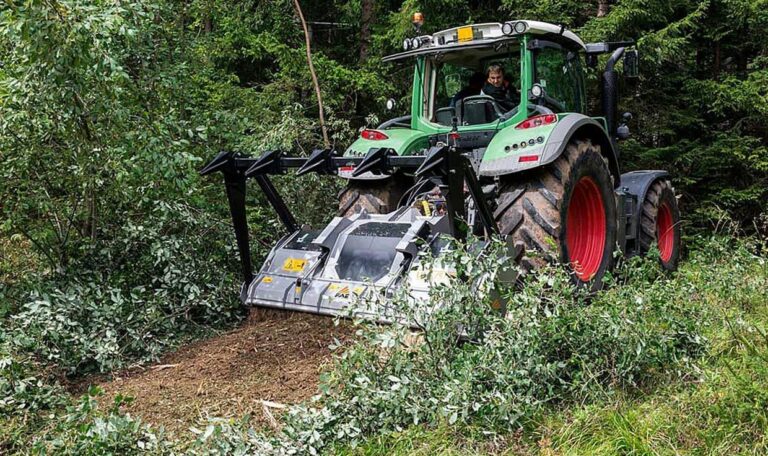
Light Vegetation
If most of your work involves grass, weeds, and scattered brush, you may not need a mulcher designed for the heaviest clearing jobs. The main consideration is whether the machine can handle the material efficiently without requiring more capacity than your regular work demands.
For this type of work, consider:
-
The amount of vegetation entering the cutting chamber during each pass.
-
Whether the machine can maintain a steady working pace across the area.
-
Whether a heavier-duty attachment would add unnecessary weight and operating demands.
Dense Brush and Small Trees
Dense vegetation puts a different load on the mulcher. More material enters the cutting chamber, and the machine may need to work harder to maintain a consistent cutting rate. Even relatively small stems can create a demanding workload when they grow close together.
Look beyond the maximum material size a machine can handle. Also consider whether it is designed for sustained work in dense vegetation. Rotor design, cutting tool arrangement, and the overall capacity of the mulcher all influence how it handles repeated passes through heavy growth.
Hardwood and Heavy Land Clearing
Regularly processing thicker branches, hardwood, or heavy forestry residue calls for closer attention to the mulcher’s intended operating range. Material hardness, diameter, and the amount of woody debris can all affect cutting load and working speed.
Before choosing a model, check:
-
Rated material capacity: Does the manufacturer specify the type and size of material the mulcher is designed to process?
-
Rotor and cutting configuration: Is the machine equipped for the level of cutting work you expect it to perform?
-
Operating requirements: Can your carrier support the attachment under these working conditions?
-
Workload frequency: Is heavy material part of your regular work, or does it only occur occasionally?
A machine that can cut through a large piece of hardwood once is not necessarily suited to processing similar material continuously. The intended application and operating recommendations matter just as much as the maximum cutting capacity.
The goal is to choose a mulcher that matches the workload you handle most often, with enough capacity for the more demanding jobs you regularly encounter. If heavy clearing is only an occasional task, it may not make sense to size the entire setup around that one requirement. Check the specifications for the FAE models you are considering and make sure their intended applications match your actual workload.
What Should You Check Before Buying an FAE Mulcher?
By this stage, you should have a clearer idea of the type and size of mulcher your work requires. Before settling on a model, go through a few checks to make sure the attachment is suitable for both your carrier and the conditions on site. It is much easier to confirm these details before ordering than to discover a mismatch after the equipment arrives.

Use the following checklist when comparing FAE models:
-
Working material: Identify the vegetation you handle most often, including its density, typical stem diameter, and whether you regularly process hardwood or heavier woody debris.
-
Carrier specifications: Check the carrier’s available horsepower, hydraulic flow and pressure for hydraulic-driven attachments, or PTO output for tractor-mounted models.
-
Attachment dimensions and weight: Confirm that the working width and attachment weight are suitable for your carrier’s capacity, balance, and operating conditions.
-
Site conditions: Consider access routes, available working space, ground conditions, and slopes that may affect maneuverability or stability.
-
Model specifications: Review the technical data and compatibility requirements for the exact FAE model, rather than relying on general descriptions or specifications from a similar machine.
-
Maintenance requirements: Find out which components need routine inspection, how wear parts are replaced, and whether the required replacement parts are available.
If you are unsure which model to choose, prepare your carrier information before contacting an FAE dealer or equipment supplier. Include the carrier make and model, engine power, hydraulic flow and pressure if applicable, or PTO specifications for a tractor. Also describe the material you need to process and the conditions in which you normally work.
With these details available, the supplier can compare your requirements with the specifications of suitable FAE models. This is a more reliable way to narrow down your options than choosing an attachment based on working width or appearance alone.
Consider Replacement Parts When Planning Long-Term Operation

The purchase price is only one part of the cost of running an FAE mulcher. Cutting teeth, holders, and other wear components need to be inspected and replaced as they wear. How often this is necessary depends on the material being processed, ground conditions, and the amount of work the machine handles.
Before choosing a mulcher, check which replacement parts are available for the model and whether they are easy to identify and source. Pay particular attention to the rotor and tool holder configuration, as these determine which cutting teeth can be installed.
If you need replacement cutting tools for FAE equipment, you can explore our range of FAE mulcher teeth, available in different configurations for various applications. Before ordering, confirm your machine model and the relevant rotor and holder details. Teeth that look similar may have different mounting requirements, so checking compatibility first can help avoid ordering parts that cannot be fitted.
Conclusion
The right FAE mulcher is not necessarily the largest model or the one with the highest power rating. It is the one that can handle your regular workload without placing unnecessary demands on the carrier or making daily operation more difficult. A well-matched setup is more likely to deliver consistent results and remain practical as working conditions change. Take the time to compare the available models against your actual requirements, and look beyond the initial purchase when deciding which attachment makes the most sense for your operation.