
A forestry mulcher depends on its teeth to process brush, branches, and woody vegetation. But not all teeth work in the same way. Some have carbide cutting tips, while others use different cutting profiles and constructions to handle vegetation. These differences influence how the teeth engage with material and perform during operation. For John Deere forestry mulcher owners, understanding why tooth type matters is an important starting point when selecting replacement teeth.
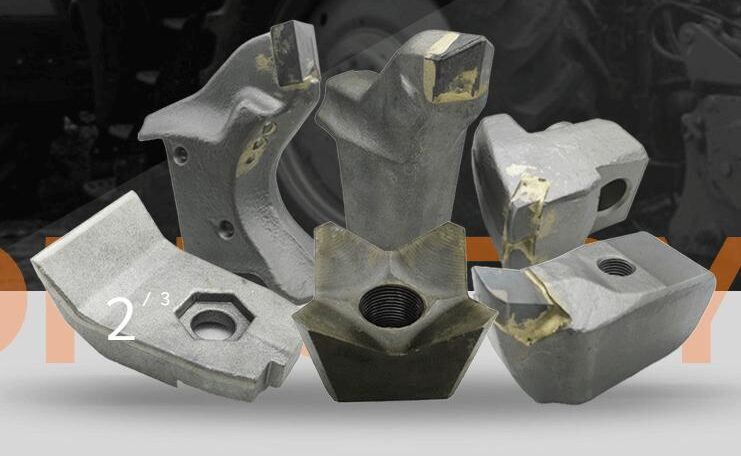
Why Does Tooth Type Matter for a John Deere Forestry Mulcher?
Not all forestry mulcher teeth are designed to handle vegetation in the same way. Some use a fixed cutting profile to break down woody material, while others rely on a heavier hammer-style or knife-style design to process vegetation. These differences affect how the teeth engage with trees, brush, and other materials during operation. For a John Deere forestry mulcher, choosing the right tooth type means considering the design of the mulching head as well as the vegetation and ground conditions you work in. A tooth that suits one application may not deliver the same results in another.

Different Tooth Designs Serve Different Cutting Needs
Forestry mulcher teeth come in several designs, each with its own construction and cutting characteristics. The main types differ in how they are built and how they engage vegetation.
-
Fixed Teeth: Mounted in a set position on the rotor, these teeth use their cutting edges to break down vegetation as the rotor turns. Many designs feature a steel body with a tungsten carbide tip for a combination of structural support and wear resistance.
-
All-Steel Teeth: Rely on a steel cutting edge rather than a separate carbide tip. Their construction is simpler than carbide-tipped designs.
-
Hammer-Style Teeth: Have a heavier working profile and use their mass and shape to process vegetation through repeated contact.
-
Knife-Style Teeth: Feature a more blade-like cutting profile, engaging material along a defined cutting edge.
These designs are not interchangeable. Their suitability depends on the rotor configuration and tooth mounting system of the mulching head.
Keep in mind that these descriptions are not mutually exclusive. Carbide-tipped and all-steel refer to the materials used in a tooth, while hammer-style and knife-style describe its shape and cutting profile. A tooth can have a carbide tip and still use a hammer-style or knife-style design.
Tooth Design Affects Cutting Performance
The shape and profile of a tooth determine how it contacts vegetation during operation. A more pronounced cutting edge, for example, engages material differently from a thicker, heavier working profile. The tooth’s angle, cutting surface, and overall geometry also influence how it enters and breaks down branches and woody material. These design details affect the way material is processed as it passes through the mulching head.
The difference becomes more noticeable when working with vegetation of varying sizes and density. A tooth designed for one type of cutting application may not be as effective when handling thicker woody growth or a different mix of vegetation. The rotor and tooth arrangement also play a role in the final cutting result. For this reason, choosing teeth based only on their appearance can be misleading. You need to consider how the tooth design works with the complete mulching head and the material you intend to process.
The Right Tooth Type Depends on Working Conditions
The vegetation and terrain you work in should influence your choice of mulcher teeth. Clearing light brush and grass presents different cutting demands from processing dense undergrowth, thick branches, and small trees. The size and density of the material affect how much contact and impact the teeth experience during operation. A tooth profile suited to lighter vegetation may not be the best option for more demanding woody material.
Ground conditions matter as well. When mulching in rocky or abrasive soil, teeth are more likely to encounter hard particles that accelerate wear or cause damage. In these environments, wear resistance becomes an important consideration. If your work involves mixed vegetation and changing terrain, look for a tooth design and construction that can handle the conditions you encounter most often. There is no single tooth type that is automatically best for every application. The right choice depends on the balance between cutting requirements, ground conditions, and the capabilities of your mulching head.
Tooth Selection Affects Wear and Maintenance Costs
A tooth that is not suited to its working conditions may wear or become damaged sooner than expected. For example, using a cutting design that is not appropriate for the material being processed can affect cutting consistency, while abrasive ground can accelerate wear on exposed cutting surfaces. The material and construction of the tooth also influence how well it withstands repeated contact and abrasion. These factors all contribute to how frequently you need to inspect and replace the teeth.
Replacement costs involve more than the price of individual teeth. You also need to account for labor, machine downtime, and the availability of compatible parts. Choosing a suitable tooth design and material can help avoid unnecessary replacements, although actual service life will always depend on operating conditions and maintenance practices. When comparing options, consider the expected wear characteristics and the type of work you regularly perform. A lower-priced tooth may cost more over time if it needs to be replaced frequently.
What Should You Consider When Choosing Mulcher Teeth?
Choosing the right mulcher teeth involves more than matching their appearance or comparing prices. You need to make sure the teeth fit your mulching head, suit the conditions you work in, and have the right construction for the demands of your operation. Before ordering replacement teeth for your John Deere forestry mulcher, consider the following three factors.

Compatibility with the Mulcher Head and Tooth System
Compatibility should be your first consideration when buying replacement mulcher teeth. Even if two teeth look similar, differences in their dimensions, mounting design, or fastening system can prevent them from fitting the same mulching head.
Start by checking the model of your forestry mulcher head and identifying the tooth system installed on it. Then compare the replacement tooth with the original part.
Pay particular attention to:
-
Part number or reference: Check the original tooth’s part number whenever available. This is one of the most useful ways to identify the correct replacement.
-
Mounting dimensions: Compare the tooth’s overall dimensions and the measurements of its mounting section.
-
Tooth holder design: Make sure the replacement matches the holder or mounting pocket on your rotor.
-
Fastening method: Check whether the tooth uses bolts, pins, or another retention system, and confirm that the fastening arrangement is compatible.
Do not rely on visual similarity alone. A tooth with a slightly different mounting profile or dimension may not seat correctly, even if its cutting end looks almost identical to the original. If you cannot confirm compatibility from the available product information, provide the supplier with your mulcher head model, original part number, and photos of the existing tooth before placing an order.
Tooth Design for Different Working Conditions
Once compatibility is established, consider the type of vegetation and terrain you regularly handle. A tooth that works well in light brush may not be the most suitable choice for dense woody growth or more demanding land-clearing work.
Think about the following conditions before selecting a tooth design:
-
Vegetation type: Grass, light brush, dense undergrowth, and woody vegetation place different demands on the cutting edge. Consider the material you process most often rather than choosing a tooth based on occasional applications.
-
Material size: Frequent contact with thick branches and small trees can put greater demands on the tooth’s cutting profile and overall construction than work involving smaller vegetation.
-
Ground conditions: Rocky soil, sand, and other abrasive materials can accelerate wear, particularly on exposed cutting surfaces. If your work frequently involves these conditions, wear resistance should be a priority.
-
Operating intensity: Consider how many hours the machine runs and how consistently it handles demanding material. Teeth used in heavy, continuous operations may need different wear characteristics from those used for occasional clearing.
There is no single tooth design that suits every forestry mulching application. The right option depends on the material you process most often, the ground conditions, and the capabilities of your mulching head. If your work varies considerably, discuss the main applications with your supplier rather than assuming one design will perform equally well in every situation.
Material and Carbide Quality
The material used in a mulcher tooth affects how it handles repeated cutting contact, impact, and abrasion. However, looking at the material label alone does not tell you whether a tooth is suitable for your application. You also need to understand how the tooth is constructed and how well its components are made.
Many carbide-tipped mulcher teeth combine two main materials:
-
Tungsten carbide tip: Forms the exposed cutting or wear surface. Its high hardness and wear resistance help the tooth withstand abrasive contact during operation.
-
Steel body: Supports the carbide tip and provides the structure needed for mounting the tooth to the rotor or holder. Its strength and toughness are important when the tooth experiences repeated impact.
The quality of these components matters just as much as their material names. When comparing carbide-tipped teeth, consider the following:
-
Carbide grade: Ask whether the supplier can provide information about the carbide grade or material specifications. Different carbide compositions and grades can have different wear and impact characteristics.
-
Tip design and dimensions: Check the size, shape, and coverage of the carbide tip. These affect which parts of the cutting surface receive wear protection.
-
Brazing quality: For a carbide-tipped tooth, the connection between the carbide tip and steel body is important. Poor bonding can cause the tip to loosen or separate during operation.
-
Steel body construction: Consider the steel used for the body and whether its manufacturing and heat-treatment processes are appropriate for the tooth’s working demands.
A tooth marked as tungsten carbide is not automatically a better choice. Ask the supplier for meaningful product specifications and details about its construction. This gives you a more reliable basis for comparing products than relying on material labels or price alone.
Why Is Tungsten Carbide Used in Forestry Mulcher Teeth?
Forestry mulcher teeth are exposed to repeated contact with branches, wood, soil, and other abrasive materials. Over time, this contact wears down the cutting surfaces and can affect how effectively the teeth process vegetation. Tungsten carbide is widely used in mulcher teeth because of its hardness and resistance to abrasive wear. It helps protect the cutting area during demanding operations, although its benefits depend on the working conditions and the overall tooth design.

Wear Resistance and Service Life
One of the main reasons for using tungsten carbide in forestry mulcher teeth is its resistance to wear. Compared with many conventional steel cutting surfaces, tungsten carbide is harder and can retain its cutting profile longer when exposed to abrasive materials.
As the cutting edge wears down, the tooth may become less effective at engaging and processing vegetation. This can affect cutting consistency and increase the need for inspection, maintenance, or replacement. A carbide cutting surface helps slow this wear, potentially extending the usable service life of the tooth.
However, carbide does not make a tooth immune to damage. Its hardness provides good resistance to abrasion, but severe impact, poor operating conditions, or an unsuitable tooth design can still cause chipping or breakage. Actual service life depends on the carbide grade, tooth construction, rotor setup, and the conditions in which the machine operates.
Performance in Abrasive Working Conditions
Tungsten carbide is particularly valuable when forestry mulching involves frequent contact with abrasive materials. Sandy soil, gravel, and small stones can wear down exposed cutting surfaces, especially when the teeth operate close to the ground.
In these conditions, a carbide-tipped tooth can help maintain its cutting profile for longer than a comparable tooth with an unprotected steel cutting edge. This can reduce wear-related interruptions and the frequency of tooth replacement.
The advantage is most relevant when abrasion is a regular part of the job. If your work mainly involves lighter vegetation with little ground contact, the additional wear resistance of carbide may not provide the same level of benefit. You should consider the actual terrain and operating conditions rather than assuming carbide is always the most cost-effective option.
The Role of the Carbide Tip and Steel Body
In a carbide-tipped mulcher tooth, the carbide tip and steel body perform different but complementary functions.
The tungsten carbide tip provides the exposed cutting or wear-resistant surface. Its hardness helps it withstand repeated abrasion as the tooth engages vegetation and comes into contact with other materials.
The steel body supports the carbide tip and connects the tooth to the mulching head’s mounting system. It also needs sufficient strength and toughness to withstand the impact and mechanical stresses experienced during operation.
Both components matter. A wear-resistant carbide tip cannot compensate for a poorly constructed steel body or an unreliable bond between the two materials. Likewise, a strong steel body does not provide the same cutting-surface wear resistance as a properly designed carbide tip.
This combination allows carbide-tipped teeth to balance wear resistance at the cutting surface with structural support from the steel body. For operations involving frequent abrasion, that balance can make them a practical choice for forestry mulching.
Choosing Replacement Mulcher Teeth for John Deere Equipment
When replacing worn or damaged teeth on a John Deere forestry mulcher, getting the correct fit is just as important as choosing the right tooth design. Before placing an order, gather the equipment and tooth information needed to identify a compatible replacement.

Check the following details:
-
John Deere equipment model: Identify the model of your machine to help narrow down the equipment information.
-
Forestry mulcher head model: If your machine uses an attachment from another brand, check the make and model of the mulching head as well. The attachment’s tooth system determines which replacements it can accept.
-
Original tooth part number or reference: Check the number stamped on the existing tooth, listed in the parts manual, or provided in the original equipment documentation.
-
Tooth dimensions and mounting configuration: Compare the overall dimensions, mounting section, and other relevant measurements with the original tooth.
-
Tooth holder and fastening system: Confirm that the replacement matches the existing holder and uses the correct fastening arrangement.
If the original part number is unavailable, photos of the existing tooth, its mounting position, and the holder can help a parts supplier assess the replacement requirements. You should still confirm the dimensions and mounting details before ordering rather than relying on appearance alone.
If you are looking for replacement options, JYF Machinery offers a range of forestry mulcher teeth for different mulching applications. You can review the available product designs and contact the team with your equipment and original tooth details to check which options match your requirements.
Conclusion
Mulcher teeth are not interchangeable simply because they look similar or serve the same general purpose. Their designs reflect different cutting approaches and operating demands. Understanding these distinctions helps explain why tooth selection matters to the overall mulching process. The right tooth type is ultimately the one designed to handle the work your machine is expected to perform.