
Dense brush, overgrown vegetation, and small trees can quickly turn land management projects into challenging and time-consuming tasks. Whether for site preparation, right-of-way maintenance, agricultural land reclamation, or forestry operations, efficient vegetation removal requires equipment that combines power, versatility, and productivity. A forestry mulcher skid steer has become a popular solution for these applications, allowing operators to cut, grind, and mulch unwanted vegetation in a single pass.
Equipped with a high-performance mulching attachment, a forestry mulcher skid steer can handle thick brush, saplings, and small trees while leaving behind a layer of organic mulch that helps reduce cleanup costs and minimize environmental impact. In this article, we’ll explore how forestry mulcher skid steers handle dense brush and small trees, the factors that affect their performance, and why high-quality mulcher teeth are essential for achieving maximum efficiency and durability.
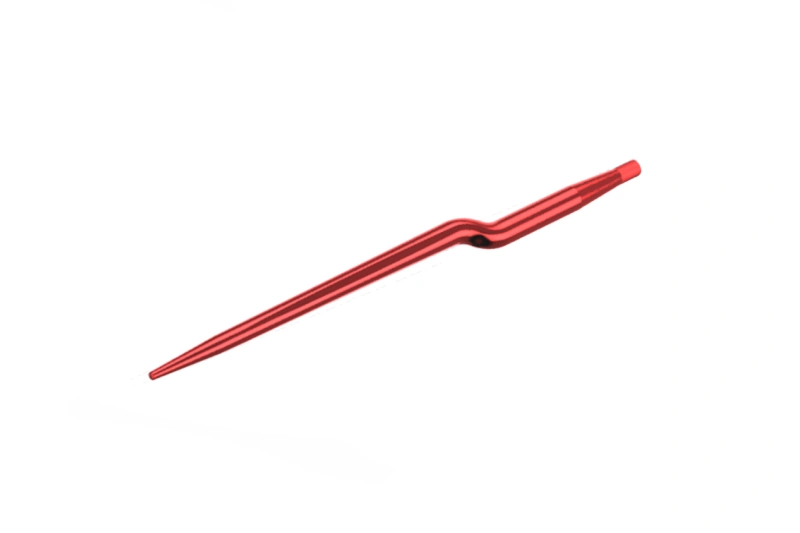
How a Forestry Mulcher Skid Steer Processes Brush and Trees
Forestry mulcher skid steers are designed to handle a wide range of vegetation, from thick brush to small trees. Their ability to cut, grind, and mulch material in a single operation makes them one of the most efficient land-clearing solutions available.
Cutting Through Dense Brush
A forestry mulcher skid steer is highly effective at clearing dense brush, tall weeds, and overgrown vegetation. Its rotating drum, equipped with durable mulcher teeth, cuts through thick plant material quickly and efficiently. As the attachment moves forward, vegetation is shredded into smaller pieces, allowing operators to clear large areas in less time. This makes it ideal for land reclamation, property maintenance, and site preparation projects.
Handling Small Trees and Saplings
In addition to brush, forestry mulcher skid steers can process small trees and saplings with ease. The mulcher teeth grip, cut, and grind woody material into manageable mulch. Depending on the machine’s hydraulic capacity and attachment size, operators can remove trees of various diameters without the need for separate cutting equipment. This streamlines vegetation management and reduces labor requirements.
Converting Vegetation into Mulch
One of the key advantages of a forestry mulcher skid steer is its ability to convert vegetation directly into mulch. As brush and trees are processed, the material is finely shredded and spread across the ground. This eliminates the need for hauling debris away from the site and significantly reduces cleanup costs. The mulch also creates a more organized and manageable work area.
Improving Site Conditions
The mulch produced during the process provides additional environmental benefits. It helps retain soil moisture, suppress unwanted weed growth, and reduce soil erosion. By returning organic material to the ground, forestry mulching supports healthier soil conditions while minimizing disturbance to the surrounding environment. This makes it a sustainable solution for many land-clearing applications.
Factors That Affect Forestry Mulcher Skid Steer Performance
Several factors influence how effectively a forestry mulcher skid steer can clear vegetation, process material, and maintain productivity. Understanding these factors helps operators maximize efficiency, reduce equipment wear, and achieve better land-clearing results.
- Hydraulic Power and Flow Rate: The hydraulic system provides the power needed to drive the mulcher head. Machines with higher hydraulic flow and pressure can maintain rotor speed more effectively when cutting dense brush and small trees. Adequate hydraulic capacity helps improve productivity and ensures consistent mulching performance.
- Mulcher Head Design and Rotor Type: The design of the mulcher attachment significantly affects cutting efficiency. Rotor size, cutting width, and overall construction determine how well the attachment processes different types of vegetation. Heavy-duty mulcher heads are better suited for demanding forestry applications and thicker materials.
- Condition and Quality of Mulcher Teeth: Sharp and durable mulcher teeth are essential for efficient vegetation processing. Well-maintained teeth provide cleaner cuts, reduce machine strain, and improve fuel efficiency. Regular inspection and replacement of worn teeth help maintain optimal performance and reduce downtime.
- Vegetation Density and Material Size: Dense brush, thick undergrowth, and larger trees require more power and slower operating speeds than lighter vegetation. The type of material being cleared directly impacts productivity, fuel consumption, and overall machine performance. Matching the equipment to site conditions helps achieve better results.
- Operator Skill and Maintenance Practices: Proper operating techniques and routine maintenance play a major role in mulcher efficiency. Experienced operators can optimize cutting patterns and machine speed for maximum productivity. Regular maintenance of hydraulic components, rotors, and teeth helps extend equipment life and ensures reliable performance.
Benefits of Using a Forestry Mulcher Skid Steer
A forestry mulcher skid steer offers an efficient solution for land clearing, vegetation management, and site preparation. By combining the versatility of a skid steer with the cutting power of a forestry mulcher, operators can complete challenging projects more quickly and cost-effectively.
- Efficient Land Clearing: Forestry mulcher skid steers can quickly process dense brush, small trees, and overgrown vegetation in a single operation. This eliminates the need for multiple machines and significantly reduces the time required to clear land for construction, agriculture, or property maintenance.
- Reduced Cleanup and Disposal Costs: The mulcher converts vegetation into fine mulch directly on-site, eliminating the need to collect, transport, or burn debris. This helps reduce labor costs, minimizes waste handling, and leaves behind a layer of organic material that can benefit the soil.
- Improved Maneuverability in Tight Spaces: Skid steers are known for their compact size and excellent maneuverability. When equipped with a forestry mulcher attachment, they can easily access confined areas, uneven terrain, and locations where larger land-clearing equipment may not operate efficiently.
- Environmentally Friendly Vegetation Management: Mulching vegetation in place helps reduce soil disturbance compared to traditional land-clearing methods. The resulting mulch layer can help control erosion, retain moisture, and return organic matter to the soil, supporting healthier land management practices.
- Versatility Across Multiple Applications: A forestry mulcher skid steer can be used for a wide range of tasks, including right-of-way maintenance, trail creation, wildfire prevention, site preparation, and agricultural land management. This versatility makes it a valuable investment for contractors, landowners, and forestry professionals.
How to Match a Forestry Mulcher Attachment to Your Skid Steer
Choosing the right forestry mulcher attachment is essential for maximizing productivity, ensuring compatibility, and extending equipment life. A properly matched attachment allows your skid steer to operate efficiently while handling the specific vegetation and terrain conditions of your project.
Evaluate Rotor and Tooth Options
Rotor design and mulcher teeth significantly impact cutting efficiency and material processing. Fixed-tooth rotors are often preferred for heavy-duty forestry applications, while other rotor styles may perform better in lighter vegetation. Selecting durable, high-quality teeth helps improve productivity and reduces maintenance requirements.
Check Your Skid Steer’s Hydraulic Capacity
The first step is to verify your skid steer’s hydraulic flow and pressure ratings. Forestry mulchers require significant hydraulic power to operate effectively. Standard-flow machines may only support lighter-duty mulchers, while high-flow skid steers can handle larger and more powerful attachments designed for dense vegetation and tree processing.
Consider the Type of Vegetation
Different projects require different mulching capabilities. If you primarily clear grass, weeds, and light brush, a smaller mulcher may be sufficient. For thick brush, hardwood saplings, and small trees, choose a heavy-duty forestry mulcher attachment designed to handle tougher materials without sacrificing performance.
Select the Appropriate Cutting Width
Mulcher attachments are available in various cutting widths. Wider models can cover more ground in open areas, increasing productivity. Narrower attachments offer better maneuverability in confined spaces, wooded trails, and areas with obstacles. The ideal width depends on the size of your skid steer and the nature of your worksite.
Match the Attachment to Your Workload
Consider how frequently the attachment will be used and the conditions it will face. Contractors and land-clearing professionals typically benefit from heavy-duty forestry mulchers built for continuous operation. For occasional property maintenance or light vegetation management, a smaller attachment may provide a more cost-effective solution.
Ensure Proper Weight and Machine Compatibility
The attachment’s weight should be suitable for your skid steer’s operating capacity. An oversized or excessively heavy mulcher can affect machine stability, performance, and safety. Always review the manufacturer’s specifications to ensure the forestry mulcher attachment is fully compatible with your skid steer model and hydraulic system.
Conclusion
A forestry mulcher skid steer is a powerful and efficient solution for clearing dense brush, small trees, and overgrown vegetation while minimizing cleanup and environmental impact. By combining strong hydraulic performance, the right mulcher attachment, and durable mulcher teeth, operators can improve productivity, reduce operating costs, and achieve better land-clearing results. Selecting the proper attachment and maintaining key wear parts are essential for maximizing performance and equipment lifespan. For reliable, high-quality mulcher teeth and forestry wear parts designed to enhance efficiency and durability, consider JYF Machinery as your trusted partner for demanding forestry and land management applications.
FAQs About Forestry Mulcher Skid Steer
What size trees can a forestry mulcher skid steer handle?
The size of trees a forestry mulcher skid steer can process depends on the machine’s hydraulic power and the mulcher attachment being used. Most skid steer forestry mulchers can efficiently handle brush and trees ranging from a few inches up to 8–10 inches in diameter, while heavy-duty high-flow models may process even larger materials.
Do forestry mulcher skid steers require high-flow hydraulics?
Not all forestry mulcher skid steers require high-flow hydraulics, but high-flow systems generally deliver better performance. Standard-flow machines can operate certain light-duty mulchers, while high-flow skid steers provide the power needed for faster cutting speeds, improved productivity, and more effective processing of dense vegetation and small trees.
How often should forestry mulcher teeth be replaced?
Forestry mulcher teeth should be inspected regularly and replaced when they become excessively worn, chipped, or damaged. Replacement frequency depends on operating conditions, material type, and usage hours. Working in rocky terrain or processing hardwood trees typically causes faster wear, making routine maintenance essential for maintaining cutting efficiency and protecting the attachment.