
Land clearing and vegetation management often require powerful equipment capable of handling dense brush, thick undergrowth, and large trees. A heavy-duty forestry mulcher for excavators is designed to meet these demanding conditions by combining the reach and versatility of an excavator with the cutting power of a high-performance mulching attachment. Unlike traditional clearing methods that involve multiple machines and extensive debris removal, forestry mulchers efficiently grind vegetation into mulch in a single operation, improving productivity and reducing project costs.
These attachments are widely used in forestry management, construction site preparation, utility right-of-way maintenance, roadside vegetation control, and agricultural land reclamation. Their ability to operate on steep slopes, uneven terrain, and hard-to-reach areas makes them an ideal solution for challenging environments. In this article, we will explore the key advantages of heavy-duty forestry mulchers for excavators, their most common applications, and the factors that influence their performance, including the critical role of durable mulcher teeth.
Advantages of Using a Heavy-Duty Forestry Mulcher for Excavators
Heavy-duty forestry mulchers for excavators offer a powerful and efficient solution for clearing vegetation in demanding environments. Their ability to process dense brush, small trees, and undergrowth makes them an essential attachment for forestry, construction, and land management projects.
- High Productivity in Dense Vegetation: A heavy-duty forestry mulcher can quickly process thick brush, shrubs, and trees in a single operation. By cutting and mulching material simultaneously, it reduces project completion times and improves overall productivity compared to traditional land-clearing methods.
- Extended Reach and Better Accessibility: Excavator-mounted mulchers can easily reach steep slopes, ditches, embankments, and other difficult areas. The excavator’s boom and arm provide excellent maneuverability, allowing operators to clear vegetation safely and efficiently in locations that may be inaccessible to other machines.
- Lower Land Clearing Costs: Forestry mulchers eliminate the need for multiple steps such as cutting, collecting, hauling, and disposing of vegetation. By turning brush and trees into mulch on-site, they help reduce labor requirements, transportation expenses, and equipment costs.
- Environmentally Friendly Vegetation Management: The mulch produced during operation remains on the ground, helping to reduce soil erosion, retain moisture, and return nutrients to the soil. This minimizes environmental impact and supports sustainable land management practices.
- Versatility for Multiple Applications: Heavy-duty forestry mulchers can be used for forestry maintenance, construction site preparation, utility corridor clearing, roadside vegetation control, and agricultural land reclamation. Their versatility makes them a valuable investment for contractors and landowners alike.
- Enhanced Performance with Quality Mulcher Teeth: Durable carbide mulcher teeth play a critical role in cutting efficiency and machine performance. High-quality teeth provide longer wear life, more consistent cutting results, and lower maintenance costs, helping operators maximize productivity in demanding working conditions.
Common Applications of Heavy-Duty Forestry Mulchers for Excavators
Heavy-duty forestry mulchers for excavators are widely used across industries that require efficient vegetation management and land clearing. Their ability to handle dense brush, trees, and difficult terrain makes them a versatile attachment for a variety of projects.
1. Forestry and Timberland Management
Forestry mulchers play an important role in maintaining healthy forests and improving accessibility. They are commonly used to clear undergrowth, remove invasive vegetation, create firebreaks, and maintain forest roads. By converting vegetation into mulch on-site, operators can improve forest management while minimizing environmental impact.
2. Construction Site Preparation
Before construction can begin, land often needs to be cleared of trees, brush, and other vegetation. Excavator-mounted forestry mulchers provide a fast and efficient way to prepare sites for residential, commercial, and infrastructure projects. They reduce the need for additional equipment and help accelerate project timelines.
3. Utility and Pipeline Right-of-Way Maintenance
Power lines, pipelines, and utility corridors require regular vegetation control to ensure safe and reliable operation. Heavy-duty forestry mulchers can efficiently remove overgrown brush and small trees while maintaining access routes. Their extended reach allows operators to work safely along utility networks and challenging terrain.
4. Roadside and Railway Vegetation Control
Vegetation growing along roadsides and railway corridors can obstruct visibility and create safety hazards. Forestry mulchers help maintain clear sightlines by removing unwanted vegetation quickly and efficiently. Excavator-mounted units are particularly useful for working on slopes, ditches, and embankments commonly found alongside transportation routes.
5. Agricultural Land Reclamation
Overgrown fields and neglected farmland can be restored using heavy-duty forestry mulchers. These attachments can clear brush, small trees, and dense vegetation, making land suitable for farming, grazing, or other agricultural activities. Mulching also helps improve soil conditions by returning organic material to the ground.
6. Land Development and Environmental Projects
Forestry mulchers are frequently used in land development, habitat restoration, and environmental management projects. They help clear vegetation while minimizing soil disturbance, making them an effective solution for projects that require both productivity and environmental responsibility.
Heavy Duty Forestry Mulcher vs Standard Mulcher: Key Differences Explained
While both heavy-duty forestry mulchers and standard mulchers are designed to process vegetation, they are built for different workloads and operating conditions. Understanding the differences between these machines can help contractors and landowners select the right equipment for their projects.
Cutting Capacity
One of the biggest differences is the size and density of vegetation each machine can handle. Heavy-duty forestry mulchers are engineered to process thick brush, dense undergrowth, and larger trees with ease. Standard mulchers are typically designed for lighter vegetation, such as grass, weeds, small shrubs, and thin saplings. For demanding land-clearing projects, a heavy-duty model offers significantly greater cutting power and efficiency.
Machine Power and Hydraulic Requirements
Heavy-duty forestry mulchers require more hydraulic flow and horsepower to drive their larger rotors and cutting systems. They are commonly paired with high-performance excavators, skid steers, or dedicated forestry carriers. Standard mulchers, on the other hand, can often operate on smaller machines with lower hydraulic capacities. While this makes standard mulchers more accessible, it also limits their ability to handle challenging vegetation.
Durability and Construction
Heavy-duty forestry mulchers are built with reinforced frames, heavy-duty housings, and robust rotor systems to withstand harsh operating conditions. They are designed to work continuously in rocky terrain, dense forests, and large-scale clearing projects. Standard mulchers generally feature lighter construction and are better suited for routine vegetation maintenance rather than intensive forestry work.
Mulcher Teeth Performance
The cutting teeth play a critical role in mulching performance. Heavy-duty forestry mulchers often use premium carbide mulcher teeth that provide exceptional wear resistance and cutting efficiency. These teeth can withstand frequent impacts with hardwood, stumps, and abrasive materials. Standard mulchers may use lighter-duty teeth that perform well in softer vegetation but wear more quickly in demanding applications.
Productivity and Operating Costs
Because heavy-duty forestry mulchers can process larger volumes of material in less time, they are often the preferred choice for commercial land clearing and forestry management. Although the initial investment may be higher, their productivity can reduce labor costs and project timelines. Standard mulchers generally have lower purchase and operating costs, making them suitable for property maintenance and light vegetation management.
Best Applications
Heavy-duty forestry mulchers are ideal for forestry operations, right-of-way maintenance, construction site preparation, wildfire prevention, and large-scale land reclamation projects. Standard mulchers are better suited for maintaining parks, farms, residential properties, and other areas where vegetation is less dense. Choosing the right mulcher depends on the size of the project, the type of vegetation, and the performance requirements of the job.
Heavy Duty Forestry Mulcher vs Standard Mulcher: At a Glance
Not all mulchers are built for the same tasks. While standard mulchers are suitable for light vegetation management, heavy-duty forestry mulchers are designed to tackle dense brush, larger trees, and demanding land-clearing projects. The table below highlights the most important differences between the two.
| Feature | Heavy Duty Forestry Mulcher | Standard Mulcher |
| Best For | Large-scale land clearing and forestry operations | Routine vegetation maintenance |
| Cutting Capacity | Dense brush, thick vegetation, and larger trees | Grass, shrubs, and small saplings |
| Machine Power | High horsepower and hydraulic flow are required | Lower power requirements |
| Durability | Reinforced design for demanding environments | Lighter-duty construction |
| Mulcher Teeth | Heavy-duty carbide teeth for maximum wear life | Standard teeth for lighter applications |
| Productivity | High output and faster project completion | Moderate output for maintenance work |
| Operating Cost | Higher upfront cost, better long-term efficiency | Lower initial investment |
| Typical Applications | Forestry, construction, utility corridors, land reclamation | Landscaping, farms, parks, and property maintenance |
Common Challenges Solved by Heavy-Duty Forestry Mulchers
Land clearing projects often involve difficult conditions that can reduce productivity and increase operating costs. Heavy-duty forestry mulchers are specifically designed to overcome these challenges, making them an essential tool for demanding vegetation management applications.
1. Processing Dense Brush and Large Trees
Dense vegetation and thick woody material can quickly overwhelm standard clearing equipment. Heavy-duty forestry mulchers are equipped with powerful rotors and durable mulcher teeth that can efficiently cut, shred, and process heavy brush, saplings, and larger trees. This allows operators to clear land faster while maintaining consistent performance.
2. Working in Difficult Terrain
Steep slopes, uneven ground, and hard-to-reach areas present significant challenges for many land-clearing machines. Excavator-mounted forestry mulchers provide extended reach and excellent maneuverability, allowing operators to safely remove vegetation in challenging environments. This improves access while reducing the need for additional equipment.
3. Reducing Debris Handling and Disposal
Traditional land clearing often requires cutting, collecting, transporting, and disposing of vegetation. Heavy-duty forestry mulchers eliminate these extra steps by converting material directly into mulch on-site. This reduces labor requirements, lowers disposal costs, and speeds up project completion.
4. Minimizing Equipment Downtime
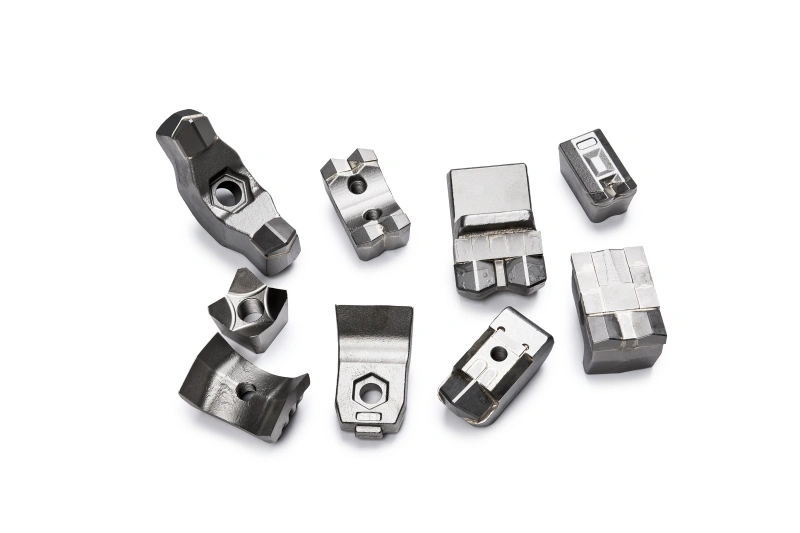
Frequent wear and component failures can significantly impact productivity. High-quality carbide mulcher teeth are designed to withstand abrasive conditions and repeated impacts, providing longer service life than standard teeth. Their durability helps reduce replacement frequency, maintenance time, and unexpected downtime.
5. Maintaining Productivity in Harsh Conditions
Land-clearing projects often involve rocky terrain, hardwood trees, and continuous operation under heavy workloads. Heavy-duty forestry mulchers feature reinforced construction and wear-resistant mulcher teeth that maintain cutting efficiency even in demanding conditions. This ensures reliable performance throughout the project.
6. Controlling Operating Costs
Fuel consumption, labor expenses, and replacement parts can quickly increase the cost of vegetation management. By combining cutting and mulching into a single operation, heavy duty forestry mulchers improve efficiency and reduce overall operating costs. Investing in premium mulcher teeth can further lower long-term expenses by extending wear life and maximizing machine productivity.
Final Thoughts
Heavy-duty forestry mulchers for excavators are an efficient solution for clearing dense vegetation, processing trees, and managing challenging terrain. Their high productivity, versatility, and ability to mulch material on-site help reduce labor and operating costs. To maximize performance and minimize downtime, choosing durable carbide mulcher teeth is essential. High-quality forestry mulcher teeth from JYF Machinery deliver excellent wear resistance, longer service life, and reliable cutting performance, helping operators achieve greater efficiency in demanding land-clearing applications.
FAQs about Heavy Duty Forestry Mulcher
What size trees can a heavy-duty forestry mulcher handle?
The size of trees a forestry mulcher can process depends on the machine’s power, rotor design, and mulcher teeth. Heavy-duty models are generally capable of handling larger trees and dense woody vegetation more efficiently than standard mulchers.
Why are carbide mulcher teeth important for heavy-duty forestry mulchers?
Carbide mulcher teeth offer superior wear resistance and cutting performance compared to standard steel teeth. They stay sharp longer, reduce replacement frequency, and help maintain consistent productivity in demanding applications.
Can a heavy-duty forestry mulcher be used on steep slopes?
Yes. When mounted on an excavator, a heavy-duty forestry mulcher can safely operate on slopes, embankments, and uneven terrain. The excavator’s reach and stability make it well-suited for difficult-to-access areas.
What industries commonly use heavy-duty forestry mulchers?
Heavy-duty forestry mulchers are widely used in forestry management, construction site preparation, utility and pipeline maintenance, roadside vegetation control, agricultural land reclamation, and environmental restoration projects.
How often should forestry mulcher teeth be replaced?
Replacement intervals depend on operating conditions, vegetation type, and tooth quality. High-quality carbide mulcher teeth typically last much longer than standard teeth, helping reduce maintenance costs and downtime.
How do I choose the right heavy-duty forestry mulcher for my excavator?
Key factors include excavator size, hydraulic flow capacity, vegetation type, cutting requirements, and terrain conditions. It is also important to select a mulcher equipped with durable mulcher teeth to ensure optimal performance and long service life.